Key Takeaways
-
Rosemary shows RCT-level efficacy. In a 6-month trial, rosemary oil matched 2% minoxidil for hair count gains with fewer reports of scalp itch—likely via improved microcirculation and anti-inflammatory/antioxidant actions (carnosic acid, 1,8-cineole).
-
Red thyme supports nutrient-driven growth. Rich in vitamin C, it may enhance non-heme iron absorption (relevant to telogen effluvium) and, via vitamin C derivatives, boost IGF-1 in dermal papilla cells and elongate hair shafts in preclinical models—though direct hair-loss trials are pending.
-
Lavender promotes anagen in preclinical data. Mouse and in-vitro studies show more follicles, deeper follicles, thicker dermis, plus fibroblast proliferation and collagen synthesis; human evidence is still preliminary.
-
Sage optimizes the scalp’s biochemistry. Bioactives (carnosic/rosmarinic acids, camphor) upregulate SOD/catalase, suppress IL-6/TNF-α and nitric oxide, and provide antimicrobial effects—creating a scalp environment more conducive to growth despite limited direct clinical trials.
-
Ylang ylang + blend synergy improves tolerability. Ylang ylang helps regulate sebum, restore the barrier, and counter microbes (useful for dandruff/psoriasis); combining it with rosemary/thyme/lavender/sage broadens mechanisms while allowing lower per-oil doses—reducing irritation and encouraging daily adherence.
Hair loss is a serious concern for millions, affecting not just appearance but one’s self-confidence and emotional well-being. While pharmaceutical solutions such as minoxidil and finasteride are often the first line of defense, a growing number of individuals are seeking natural alternatives that support hair growth through gentler, daily-use formulations.
Among these, essential oils have gained significant attention for their therapeutic potential rooted in centuries of traditional use and increasingly supported by modern scientific research.
This article examines the clinical and experimental evidence behind each of these essential oils as they relate to topical hair growth support, providing a focused, ingredient-by-ingredient review grounded in science. As we continue to refine natural formulations in trichology, these plant-based compounds offer exciting promises in the pursuit of healthier, fuller hair.
Rosemary
Among botanical treatments for hair loss, rosemary (Rosmarinus officinalis) essential oil stands out for its dual-action: enhancing scalp circulation and reducing inflammation around the hair follicle1,2.
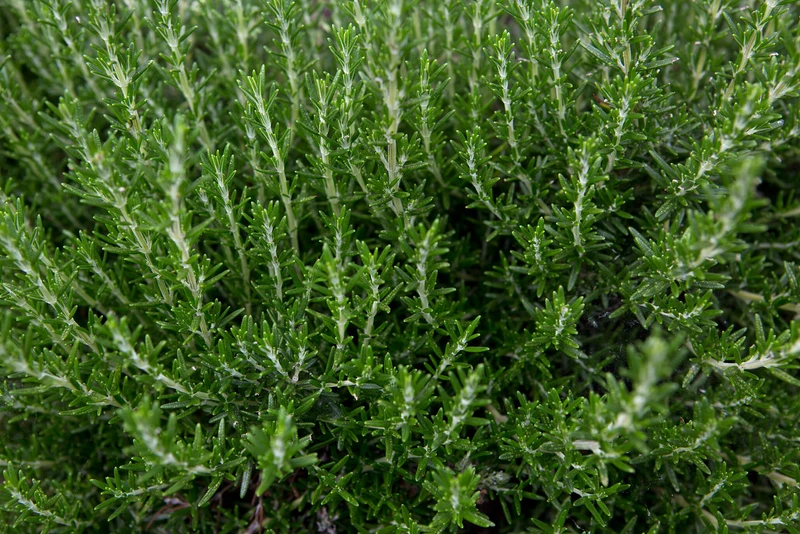 Figure 1. Rosmarinus officinalis plant3
Traditionally used to treat dandruff via its anti-fungal properties4, its efficacy in stimulating hair growth has been increasingly supported by contemporary research.
A randomized controlled trial assessed the effects of rosemary oil against 2% minoxidil in patients with androgenetic alopecia (AGA). Rosemary oil application for 6 months was equally effective as minoxidil in increasing hair count, with significantly fewer reports of scalp itching compared to minoxidil users. Both groups demonstrated statistically significant increases in hair after three and six months. The authors suggested rosemary oil stimulated hair regrowth via topical pathways, potentially by improving microcapillary perfusion to the follicle and decreasing scalp inflammation5.
Supporting this, in vitro (cell-based) research has shown that rosemary contains active phytochemicals (carnosic acid and 1,8-cineole) which promote:
- Nerve and tissue regeneration
- Anti-inflammatory and antioxidant effect within the dermis layer of the skin1.
These compounds may contribute to protecting the follicular environment from oxidative stress, while also indirectly influencing androgen receptor sensitivity, the biggest driver behind male pattern hair loss.
Together, this growing body of evidence positions rosemary oil as one of the most well-supported essential oils for daily topical use in hair growth formulations, offering benefits comparable to conventional pharmaceuticals without the common irritant effects.
Red Thyme
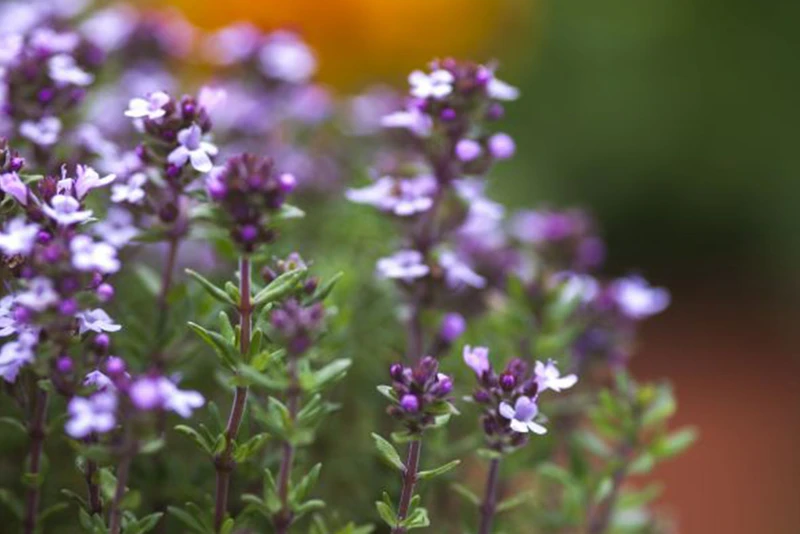 Figure 2. Thymus vulgaris plant6
While often valued for its antimicrobial strength, Red Thyme oil (Thymus vulgaris L.) may offer less explored yet compelling benefits for hair growth. Thymus vulgaris contains notable concentrations of ascorbic acid (vitamin C)7.
Vitamin C plays a critical role in iron metabolism, specifically in enhancing non-heme iron absorption. Iron is essential for hair follicle matrix cell proliferation, the cells that grow the hair shaft.
Clinical reviews have shown that iron deficiency, even in the absence of anemia, is associated with telogen effluvium (reversible hair loss) and reduced hair density, particularly in premenopausal women8.
By helping to correct subclinical iron absorption issues when used topically as part of a comprehensive care routine, red thyme oil may indirectly optimize the nutritional environment for hair regrowth.
More directly, a mouse study investigating topical application of vitamin C derivatives revealed that ascorbic acid 2-phosphate increased insulin-like growth factor-1 (IGF-1) expression in dermal papilla cells and significantly elongated hair shafts.
IGF-1 is a well-known modulator of the anagen (growth) phase of the hair cycle, further underscoring vitamin C’s mechanistic link to follicular stimulation9.
Though red thyme oil has not yet been evaluated in hair loss trials directly, its topical utility lies in its capacity to deliver vitamin C in a lipid-soluble, bioavailable format.
In the context of hair restoration formulations, red thyme oil may support both scalp barrier defense and micronutrient optimization, making it a smart adjunct to broader therapeutic strategies for diffuse or nutritional-related hair thinning.
Lavender
Beyond its calming scent, lavender essential oil (Lavandula angustifolia) is gaining scientific recognition for its potential as a topical agent in promoting hair growth.
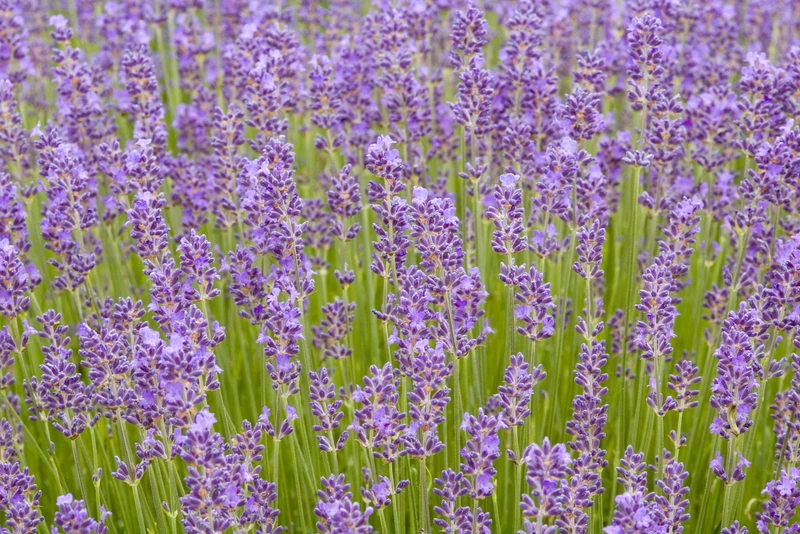 Figure 3. Lavandula angustifolia plant10
A mouse study evaluated the effects of topically applied lavender oil on female mice. Over four weeks of application, the lavender oil-treated groups showed significantly:
- Increased hair follicle number
- Deepened follicle depth
- Thicker dermal layers compared to controls.
Histological analysis confirmed that lavender oil accelerated the transition of hair follicles into the anagen (growth) phase, indicating real biological impact11.
Mechanistically, lavender oil appears to act through both anti-inflammatory and proliferative pathways. An in vitro study demonstrated that lavender extract enhanced fibroblast proliferation and collagen synthesis, both critical components of follicle health and scalp repair12.
Additionally, lavender’s antioxidant profile helps counteract oxidative stress in the scalp environment. Oxidative stress is an often-overlooked contributor to hair thinning and delayed hair cycling.
These findings, though still preliminary in human trials, suggest that lavender oil may support healthier hair growth through both structural reinforcement and anagen phase promotion.
In formulation, lavender oil adds not only therapeutic value but also sensory appeal, encouraging consistent daily use as part of a holistic hair care regimen.
Sage
 Figure 4. Salvia officinalis plant13
Known for its rich aromatic profile and traditional use in scalp tonics, sage essential oil (Salvia officinalis) may offer multiple pathways to support topical hair regrowth, particularly through:
- Anti-inflammatory
- Antioxidant
- Circulatory-enhancing properties
Sage oil is characterized by its high content of monoterpenes and phenolic compounds, including:
- Carnosic acid
- Rosmarinic acid
- Camphor
These compounds are biologically active in skin and follicular tissues14. They display antioxidant capacity via upregulation of cellular scavenging enzymes like superoxide dismutase (SOD) and catalase, both of which protect dermal structures from oxidative stress15. Since oxidative stress is a known disruptor of the anagen phase, reducing it can support a healthier, longer growth cycle.
Sage oil also exhibits anti-inflammatory effects, suppressing cytokines such as IL-6 and TNF-α, while also exerting antimicrobial activity against scalp-associated pathogens15.
In addition, sage oil significantly suppresses nitric oxide production in macrophages, leading to calming scalp inflammation, a common contributor to hair thinning16.
Although direct clinical trials on sage oil and hair growth are limited, sage serves as both a bioactive botanical and a regulatory oil that supports clean, balanced scalp conditions conducive to hair regeneration.
Ylang Ylang III
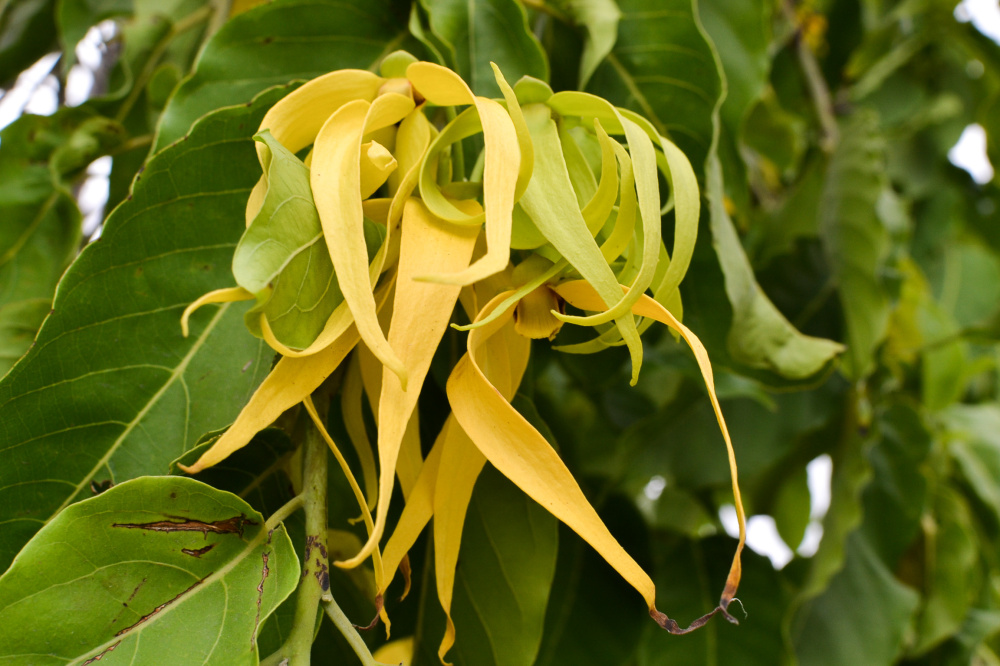 Figure 5. Cananga odorata plant17
While best known for its calming floral scent, Ylang Ylang III (Cananga odorata var. genuina) also holds therapeutic potential for balancing scalp health and supporting hair vitality, particularly through its effects on:
- Sebum regulation
- Barrier restoration
- Microbial balance
Rich in:
- Linalool
- Germacrene D
- Benzyl acetate,
Cananga odorata oil has been shown to possess strong antifungal and antibacterial properties, supporting its traditional use in treating:
- Scalp psoriasis
- Dandruff
- Microbial imbalance
These are all common contributors to follicular stress and hair loss18.
Ylang Ylang has also been noted for its role in hydrating dry skin and regulating sebaceous gland activity.
A literature review emphasized its moisturizing and skin-conditioning effects, which may help restore the lipid barrier of the scalp, improving scalp resilience and comfort. This Is especially important for individuals experiencing hair breakage or dryness linked to sebum deficiency18,19.
Although clinical studies directly assessing ylang ylang’s effects on hair growth are lacking, its inclusion in topical hair formulations is supported by its ability to create a healthier scalp environment, reduce irritation, and maintain sebaceous balance.
These qualities make it a valuable supportive botanical in formulations that prioritize both sensory elegance and scalp integrity for daily use.
Synergy in Multi-Oil Formulation
Essential oils rarely act in isolation. When combined thoughtfully, their bioactive compounds can work synergistically, enhancing both the efficacy and tolerability of a topical formulation.
This is particularly relevant in trichology, where the goal is not only to stimulate follicular activity but to create a healthy, resilient scalp environment, which is the foundation for sustained hair growth.
In multi-oil blends, ingredients such as rosemary and red thyme can provide circulatory stimulation and antimicrobial defense, while oils like lavender and sage add regenerative and antioxidant support. Ylang ylang, with its emollient and sebaceous-regulating properties, complements the more active oils by soothing the skin barrier and promoting hydration, balancing out the formulation for daily use without irritation20.
Botanical diversity in formulation may reduce the risk of ingredient fatigue or dermal sensitization by allowing for lower concentrations of individual oils, while still achieving broad-spectrum bioactivity. This aligns with current best practices in natural product formulation, where synergistic effects reduce dependency on higher, often irritating doses of single actives.
Ultimately, a well-constructed multi-oil formulation not only delivers on its therapeutic promise but also enhances user adherence, creating a product that is both biologically active and cosmetically elegant.
Conclusion
As research continues to explore the intersection of natural therapeutics and scalp health, essential oils like rosemary, red thyme, lavender, sage, and ylang ylang III are emerging as powerful allies in topical hair growth formulations. Each oil offers unique mechanisms; from stimulating circulation to modulating inflammation and supporting nutrient absorption, that collectively create a healthier environment for hair regeneration.
When used synergistically in a well-balanced, daily-use formula, these botanicals offer a science-backed, integrative approach to hair restoration, expanding the toolkit for clinicians and consumers seeking effective, non-pharmaceutical solutions in modern trichology.
FAQs
1. Do essential oils regrow hair?
They mainly optimize scalp health—reducing inflammation, oxidative stress, and microbes. Rosemary has RCT evidence comparable to 2% minoxidil at 6 months with less itch.
2) How long to see results?
Plan on 12–24 weeks of consistent use. Many notice changes by month 3, with greater gains by month 6.
3) Can I combine them with minoxidil or finasteride?
Yes—apply at different times (e.g., minoxidil AM, oils PM) and watch for irritation. Consult a clinician if you’re on active treatment.
4) What’s a safe dilution and schedule?
Use 1–2% in a carrier (≈6–12 drops per 30 mL), patch-test 24–48 hours. Massage 3–7×/week, leave on; never apply undiluted or near eyes.
5) Who should use extra caution?
Pregnant/nursing individuals, those with sensitive skin, seizure disorders (camphor-rich sage), fragrance allergies, and children. Stop if burning, persistent redness, or worsening flaking occurs.
6) Why use a blend instead of one oil?
Blends cover complementary pathways—circulation, IGF-1, anagen support, antioxidant, antimicrobial, and barrier/sebum balance. Synergy allows lower doses with better tolerability.
References
- ^Ghasemzadeh Rahbardar M, Hosseinzadeh H. Therapeutic effects of rosemary (Rosmarinus officinalis L.) and its active constituents on nervous system disorders. Iran J Basic Med Sci. 2020;23(9):1100-1112. doi:10.22038/ijbms.2020.45269.10541
- ^Sagorchev P, Lukanov J, Beer AM. Investigations into the specific effects of rosemary oil at the receptor level. Phytomedicine. 2010;17(8):693-697. doi:10.1016/j.phymed.2009.09.012
- ^Rosmarinus officinalis | BBC Gardeners World Magazine. Accessed April 18, 2025. https://www.gardenersworld.com/plants/rosmarinus-officinalis/
- ^Karpiński TM. Essential Oils of Lamiaceae Family Plants as Antifungals. Biomolecules. 2020;10(1):103. doi:10.3390/biom10010103
- ^Panahi Y, Taghizadeh M, Marzony ET, Sahebkar A. Rosemary oil vs minoxidil 2% for the treatment of androgenetic alopecia: a randomized comparative trial. Skinmed. 2015;13(1):15-21.
- ^Thymus vulgaris | BBC Gardeners World Magazine. Accessed April 19, 2025. https://www.gardenersworld.com/plants/thymus-vulgaris/
- ^Borugă O, Jianu C, Mişcă C, Goleţ I, Gruia A, Horhat F. Thymus vulgaris essential oil: chemical composition and antimicrobial activity. J Med Life. 2014;7(Spec Iss 3):56-60.
- ^Almohanna HM, Ahmed AA, Tsatalis JP, Tosti A. The Role of Vitamins and Minerals in Hair Loss: A Review. Dermatol Ther (Heidelb). 2018;9(1):51-70. doi:10.1007/s13555-018-0278-6
- ^Kwack MH, Shin SH, Kim SR, et al. l-Ascorbic acid 2-phosphate promotes elongation of hair shafts via the secretion of insulin-like growth factor-1 from dermal papilla cells through phosphatidylinositol 3-kinase. Br J Dermatol. 2009;160(6):1157-1162. doi:10.1111/j.1365-2133.2009.09108.x
- ^Munstead Lavender (Lavandula angustifolia ’Munstead’) | BBC Gardeners World Magazine. Accessed April 19, 2025. https://www.gardenersworld.com/plants/lavandula-angustifolia-munstead/
- ^Lee BH, Lee JS, Kim YC. Hair Growth-Promoting Effects of Lavender Oil in C57BL/6 Mice. Toxicol Res. 2016;32(2):103-108. doi:10.5487/TR.2016.32.2.103
- ^Choi DI, Choi JY, Lee JB, et al. Protective Activity against Oxidative Stress in Dermal Papillae with Extracted Herbal Essential Oils. Applied Sciences. 2023;13(6):3985. doi:10.3390/app13063985
- ^Salvia officinalis | BBC Gardeners World Magazine. Accessed April 19, 2025. https://www.gardenersworld.com/plants/salvia-officinalis/
- ^Khedher MRB, Khedher SB, Chaieb I, Tounsi S, Hammami M. Chemical composition and biological activities of Salvia officinalis essential oil from Tunisia. EXCLI J. 2017;16:160-173. doi:10.17179/excli2016-832
- ^Jin GR, Zhang YL, Yap J, Boisvert WA, Lee BH. Hair growth potential of Salvia plebeia extract and its associated mechanisms. Pharm Biol. 58(1):400-409. doi:10.1080/13880209.2020.1759654
- ^Peyravian N, Deo S, Daunert S, Jimenez JJ. The Inflammatory Aspect of Male and Female Pattern Hair Loss. J Inflamm Res. 2020;13:879-881. doi:10.2147/JIR.S275785
- ^Cananga odorata / IPlantz. Accessed April 19, 2025. https://www.iplantz.com/plant/308/cananga-odorata/
- ^Alam P, Imran M, Ali A, Majid H. Cananga odorata (Ylang-Ylang) Essential Oil Containing Nanoemulgel for the Topical Treatment of Scalp Psoriasis and Dandruff. Gels. 2024;10(5):303. doi:10.3390/gels10050303
- ^Mrani SA, Zejli H, Azzouni D, et al. Chemical Composition, Antioxidant, Antibacterial, and Hemolytic Properties of Ylang-Ylang (Cananga odorata) Essential Oil: Potential Therapeutic Applications in Dermatology. Pharmaceuticals (Basel). 2024;17(10):1376. doi:10.3390/ph17101376
- ^Rastegar H, Ashtiani HA, Aghaei M, Barikbin B, Ehsani A. Herbal Extracts Induce Dermal Papilla Cell Proliferation of Human Hair Follicles. Ann Dermatol. 2015;27(6):667-675. doi:10.5021/ad.2015.27.6.667
Author Info & Affiliations: