Read the ingredients before the promise.
Compare natural products, their proposed roles and the limits of hair-growth claims.
Natural Hair Growth Products for Men: Ingredients, Options and What Really Helps
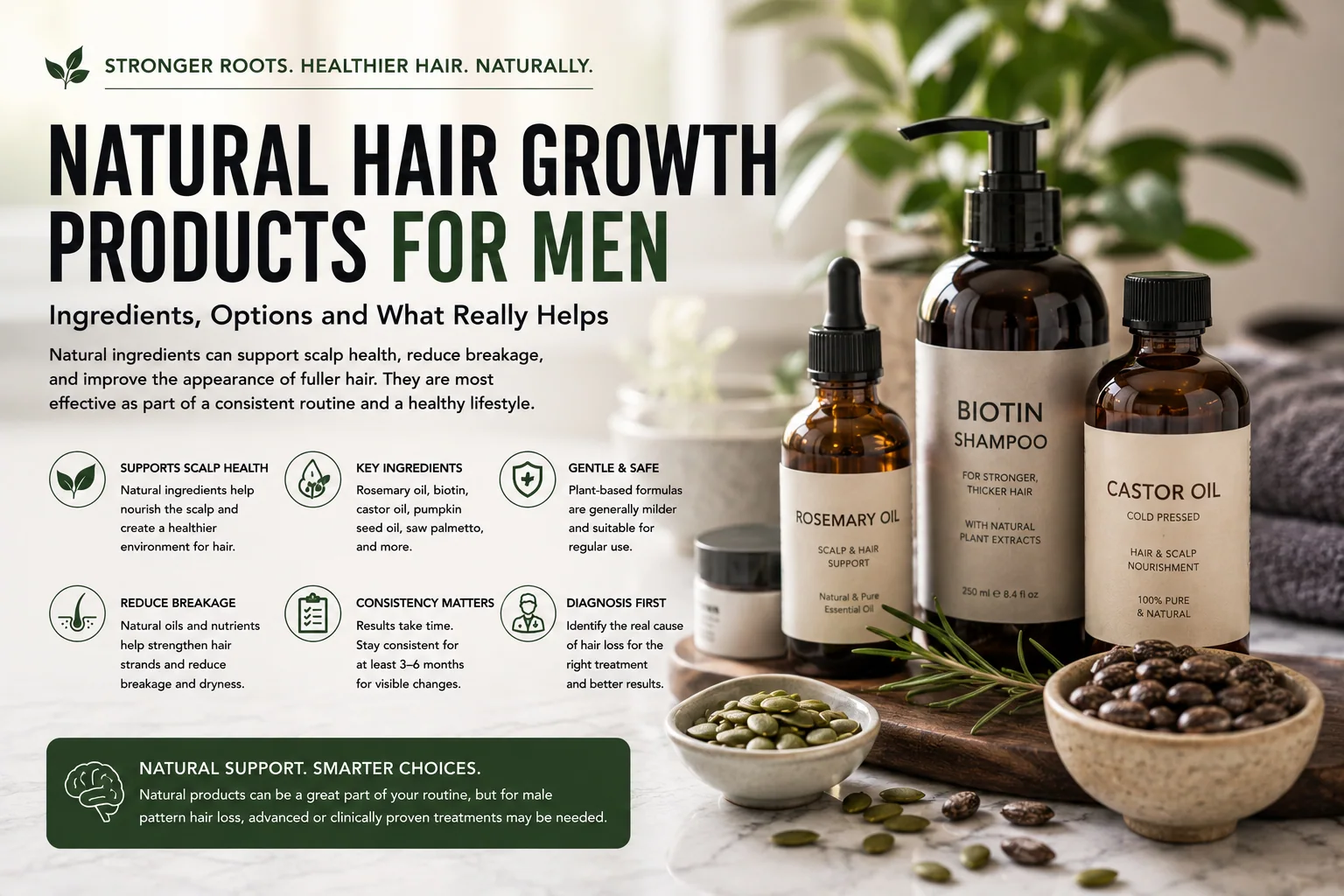
Many men deal with hair thinning, receding hairlines, crown thinning, or balding. Natural hair growth products may support scalp health, reduce breakage, and improve the appearance of fuller hair, but they are not a guaranteed cure for male pattern hair loss.
Some natural ingredients, such as rosemary oil, biotin, castor oil, pumpkin seed oil, and saw palmetto, are commonly used in men’s hair care routines. They may be helpful for selected concerns, but the results are usually milder and less predictable than evidence-based treatments such as minoxidil or clinician-guided options.
This guide explains the most common natural hair growth ingredients for men, what they can and cannot do, how to use them safely, and when to get professional help instead of relying on products alone.
Key Takeaways
- Natural hair growth products may support scalp health and fuller-looking hair. They are best viewed as supportive tools, not guaranteed regrowth treatments.
- Biotin helps most when deficiency exists. Taking extra biotin without deficiency is not guaranteed to improve hair growth.
- Rosemary oil may support scalp health. It should be diluted properly because essential oils can irritate the scalp.
- Castor oil may reduce dryness and breakage. It is not clinically proven to regrow hair in bald areas.
- Male pattern hair loss often needs more than natural products. Minoxidil, finasteride, low-level laser therapy, PRP, or other clinician-guided treatments may be relevant.
- Diagnosis matters. Hair loss can come from DHT sensitivity, low ferritin, thyroid issues, stress, medication, scalp inflammation, or breakage.
Not sure whether natural products are enough?
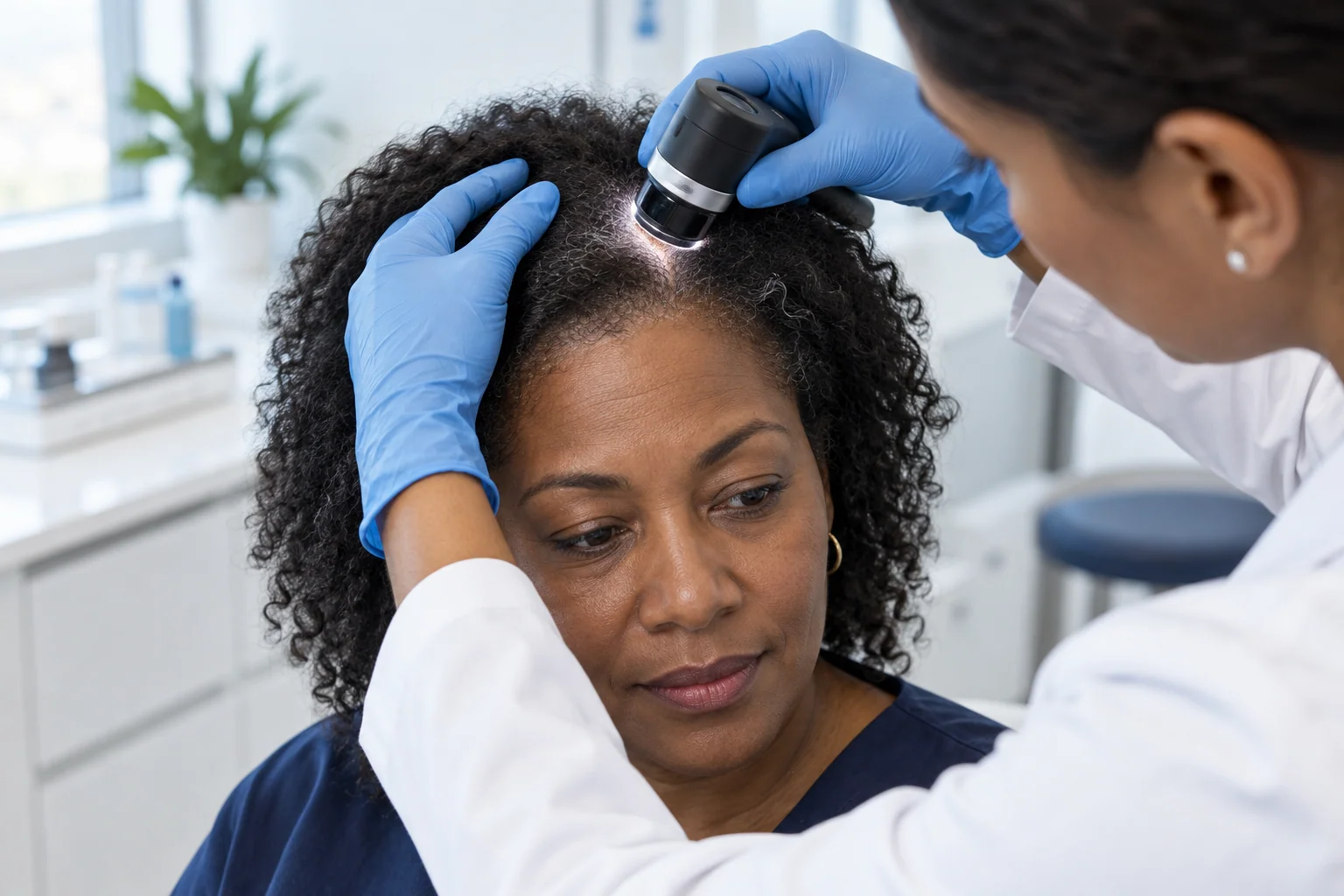
A trichology assessment can help identify whether your hair loss is genetic, hormonal, nutritional, inflammatory, scalp-related, stress-related, or caused by breakage.
Looking for someone local? Start here:
Quick next steps before buying a natural hair growth product
- Check your pattern: Receding hairline, crown thinning, diffuse shedding, and breakage need different plans.
- Do not rely on oils alone: Oils may help scalp comfort or dryness, but they rarely reverse progressive male pattern hair loss.
- Patch test essential oils: Rosemary, peppermint, and tea tree oil can irritate sensitive scalps.
- Track progress: Take photos every 4 weeks in the same lighting.
- Get assessed if it is progressing: Early treatment usually works better than waiting until density is heavily reduced.
Key Ingredients in Natural Hair Growth Products for Men
Natural hair growth products often include ingredients such as biotin, rosemary oil, castor oil, pumpkin seed oil, caffeine, saw palmetto, peppermint oil, and botanical extracts. These ingredients may support scalp health, reduce dryness, or improve the appearance of thicker hair.
However, the strength of evidence varies. Some ingredients have limited early research, while others are mainly supported by cosmetic use, traditional use, or small studies.
Biotin
Biotin, also known as vitamin B7, supports normal keratin production and cellular metabolism. It is commonly included in hair supplements and topical products.
Biotin may help if a true deficiency exists, but biotin deficiency is uncommon. Taking high-dose biotin without deficiency is not guaranteed to improve hair growth. It can also interfere with certain lab tests, so tell your healthcare provider if you take it.
Rosemary Oil
Rosemary oil is one of the most popular natural ingredients for scalp and hair routines. It may support scalp comfort and healthy-looking hair, and it is often discussed as a natural option for people interested in non-prescription scalp care.
Rosemary oil should always be diluted in a carrier oil before scalp use. Applying it raw or too frequently can cause burning, redness, itching, dryness, or flaking.
Castor Oil
Castor oil is rich and heavy, so it is commonly used to reduce dryness, improve shine, and protect fragile strands from friction. It may make hair look thicker by coating the strand, but it is not clinically proven to regrow hair in bald areas.
Because castor oil is thick, it can cause buildup for some users. Start with a small amount, apply mainly to the scalp or ends depending on your goal, and wash out thoroughly if it feels heavy.
Pumpkin Seed Oil
Pumpkin seed oil is often used in supplements and hair products because it contains fatty acids and phytosterols. It is commonly discussed for men with pattern hair loss, though evidence is still limited compared with established treatments.
Saw Palmetto
Saw palmetto is often used in natural DHT-support supplements. It may have mild activity related to DHT pathways, but it should not be treated as equivalent to prescription DHT-lowering medication.
Top Natural Hair Growth Product Types for Men
The products below represent common natural hair growth categories for men. Product formulas, claims, prices, and availability can change, so always check the current label and seller information before buying.
Biotin and Rosemary Oil Hair Growth Serum
Biotin and rosemary oil serums are usually designed to support scalp condition, strengthen the appearance of hair, and improve fuller-looking density. Many formulas also include oils such as Jamaican black castor oil, peppermint oil, or botanical extracts.
These serums may be useful if your goal is scalp support, dryness reduction, or cosmetic thickening. They are less likely to be enough on their own if you have progressive male pattern hair loss.
Example product references: IQ Natural Biotin & Rosemary Oil Hair Growth Serum on Amazon | IQ Natural product page
Bamboo Hair Brush for Scalp Massage
A bamboo hair brush may support gentle scalp massage and help distribute natural oils through the hair. It can also reduce static and friction compared with rougher tools, depending on the design.
Scalp massage can feel good and may support circulation, but a brush should not be promoted as a hair regrowth treatment. Use it gently. Aggressive brushing can worsen breakage or irritate the scalp.
Example product reference: Bamboo paddle hair brush on Amazon
Raw Batana Oil for Dryness and Hair Appearance
Raw batana oil is used in some natural hair routines for shine, softness, frizz control, and dryness. It may help hair look healthier and feel more conditioned.
However, batana oil should not be described as a proven cure for male pattern baldness. It may support hair appearance and scalp comfort, but true regrowth depends on the cause of hair loss.
Example product reference: Raw batana oil on Amazon
Benefits of Using Natural Hair Growth Products
May Improve the Appearance of Hair Thickness
Some natural products can make hair appear thicker by coating the hair shaft, reducing frizz, improving shine, or supporting scalp comfort. Oils, conditioners, and serums may improve the look and feel of hair even when they do not change follicle-level growth.
May Support Scalp Health
A healthy scalp matters. Dryness, dandruff, irritation, oil buildup, and inflammation can make hair feel worse and may contribute to shedding concerns in some people.
Natural products may support scalp comfort, but they should not delay proper treatment for dandruff, seborrheic dermatitis, psoriasis, folliculitis, or inflamed scalp conditions.
May Reduce Breakage
Hair can look thinner because strands are breaking, not because follicles stopped growing. Oils, leave-ins, conditioners, and gentle brushing can reduce friction and breakage, making hair look fuller over time.
May Be Easier to Tolerate for Some Users
Some men prefer natural products because they want to avoid prescription medication or harsh formulas. That is understandable, but natural does not always mean risk-free. Essential oils and botanical extracts can still irritate the scalp or interact with medications.
How to Apply Hair Growth Products Effectively
Follow Product Instructions
Use the product exactly as directed. Applying too much or too often usually does not improve results and may increase irritation or buildup.
Apply to the Scalp When Targeting Hair Growth
Growth-focused products usually need to reach the scalp, not just the hair. Part the hair and apply carefully to the thinning areas.
Patch Test First
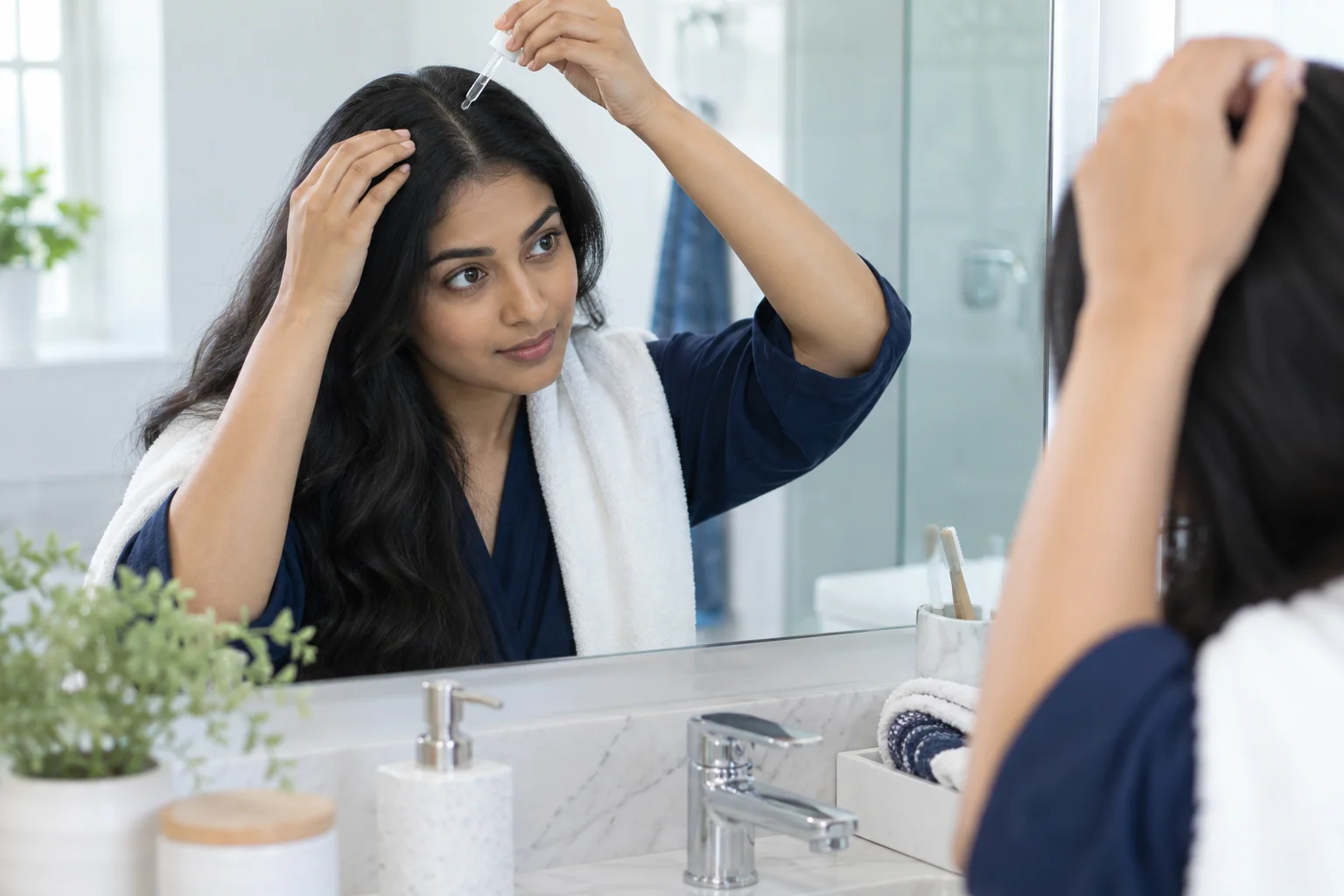
Before using essential oils or botanical blends widely, patch test on a small area. Stop using the product if you notice burning, redness, itching, swelling, or flaking.
Be Consistent
Most hair products need several months of consistent use before you can judge results. For many routines, 3 to 6 months is more realistic than a few weeks.
Do Not Mix Too Many Products
Using several oils, serums, supplements, shampoos, and treatments at once can irritate the scalp and make it difficult to know what is helping.
Comparing Natural and Medical Hair Growth Treatments
Effectiveness
Natural products may support scalp health, reduce breakage, and improve the appearance of fuller hair. Medical treatments such as minoxidil and finasteride have stronger evidence for male pattern hair loss, but they also have specific risks and usage requirements.
For many men, the best plan may combine scalp care, nutrition, gentle styling, and evidence-based treatment when appropriate.
Side Effects
Natural products can cause irritation, allergies, buildup, or scalp sensitivity. Medical treatments can also cause side effects. For example, topical minoxidil may cause dryness, itching, flaking, or unwanted facial hair growth if it spreads. Finasteride may cause sexual, mood, breast, or hormonal side effects in some users.
The safest choice depends on your health history, hair-loss pattern, medications, and risk tolerance.
When Natural Products May Not Be Enough
Natural products may not be enough if you have:
- Progressive male pattern hair loss
- Rapid crown thinning or receding hairline
- Patchy hair loss
- Scalp pain, redness, scaling, burning, or inflammation
- Low ferritin or iron deficiency
- Thyroid imbalance
- Medication-related shedding
- Autoimmune hair loss
- Scarring alopecia
- Severe stress or illness-related shedding
If your hair loss is progressing, do not rely only on oils or brushes.
A professional can help confirm whether you need scalp care, labs, minoxidil, DHT-targeting treatment, nutrition support, or another plan.
How Long Does It Take to See Results?
Hair changes slowly. Cosmetic improvements such as less dryness, better shine, or reduced frizz may appear quickly. True density changes take longer.
For most hair growth routines, expect to track progress over at least 3 to 6 months. Use the same lighting, angle, and hairstyle when taking progress photos.
If hair loss continues to worsen after several months, or if shedding is sudden, patchy, painful, or inflamed, get assessed instead of continuing trial-and-error.
Take the Zone Hair Pull Test
The Zone Hair Pull Test may help you notice whether shedding is higher in certain scalp areas. It is not a diagnosis, but it can be a useful starting point.

Frequently Asked Questions About Natural Hair Growth Products for Men
- What are the best natural hair growth products for men?
- The best option depends on the cause of hair loss. Common natural options include rosemary oil, castor oil, pumpkin seed oil, saw palmetto supplements, biotin when deficiency exists, scalp serums, and gentle scalp-care products.
- Can natural products regrow men’s hair?
- Some may support scalp health or improve the appearance of fuller hair, but they are not guaranteed to regrow hair. Male pattern hair loss often needs evidence-based treatment.
- Does rosemary oil work for male hair loss?
- Rosemary oil may support scalp health and has some research interest, but it should be used cautiously and diluted. It is not a guaranteed replacement for minoxidil or medical treatment.
- Does castor oil regrow hair?
- Castor oil may reduce dryness and make hair look thicker or shinier, but it is not clinically proven to regrow hair in bald areas.
- Is biotin good for men’s hair growth?
- Biotin may help if deficiency exists. If biotin levels are normal, taking more is not guaranteed to improve hair growth.
- Are natural products safer than medical hair loss treatments?
- Not always. Natural products can still cause irritation, allergies, or interactions. Medical treatments may have stronger evidence but also require understanding the risks.
- Can lifestyle changes help men’s hair growth?
- Healthy sleep, stress management, adequate protein, iron, vitamin D, zinc, and overall nutrition can support hair health. Lifestyle changes may not reverse genetic hair loss alone.
- When should a man see a professional for hair loss?
- Seek help if hair loss is sudden, patchy, painful, inflamed, rapidly worsening, or not improving after several months of appropriate care.
References
- Nutrition and hair loss research
- Rosemary oil and androgenetic alopecia research
- Natural ingredients and hair growth research
- Hair loss treatment review
- Scalp and hair health research
- Male pattern hair loss treatment research
- Androgenetic alopecia review
- Hair loss and quality of life research
- Hair loss treatment and outcomes research
- American Academy of Dermatology: Hair loss
- Mayo Clinic: Hair loss symptoms and causes
Conclusion
Natural hair growth products for men can support scalp health, reduce dryness, improve breakage, and make hair look fuller. Ingredients such as rosemary oil, castor oil, biotin, pumpkin seed oil, and saw palmetto may be useful for some men, but results vary.
If your hair loss is progressive, especially around the hairline or crown, natural products may not be enough. The best approach is to identify the cause early and build a plan that may include scalp care, nutrition, minoxidil, DHT-targeting treatment, or other professional options.
Disclaimer: This content is for general informational and educational purposes only. It is not medical advice and should not replace consultation with a qualified healthcare professional. Natural products can still cause irritation, allergies, or interactions. Seek professional evaluation for sudden, patchy, painful, inflamed, or persistent hair loss.