
Best Shampoos for Thinning Hair: What Helps and What Doesn’t
Trichology Editorial · September 4, 2026
Best Shampoos for Thinning Hair: What Helps, What Doesn’t, and Top Product Options

Facing hair loss can feel frightening, but it is also very common. Many people notice thinning, shedding, breakage, or reduced density at some point in life.
It is important to be clear from the start: over-the-counter shampoos cannot cure or reverse most types of hair loss. They can, however, support scalp health, reduce buildup, improve dandruff or dryness, strengthen fragile strands, and make thinning hair look fuller.
If your hair loss is progressive, sudden, patchy, painful, inflamed, or linked with scalp symptoms, the best next step is a proper assessment. A shampoo can support the routine, but it should not replace diagnosis.
Key Takeaways
- Shampoos can support thinning hair, but they are not cures. They may improve scalp condition, volume, breakage, and appearance.
- Hair loss has different causes. Genetics, low ferritin, thyroid issues, hormones, inflammation, dandruff, medication, stress, and breakage all require different plans.
- Dandruff and scalp inflammation matter. Treating scalp irritation may reduce shedding triggers in some people.
- Volumizing shampoos are mostly cosmetic. They can make hair look thicker, but they do not usually regrow hair.
- See a professional if symptoms persist. Sudden shedding, patchy loss, pain, redness, burning, scaling, or worsening density needs evaluation.
Not sure if a shampoo is enough?
A trichology assessment can help identify whether your thinning is genetic, nutritional, hormonal, inflammatory, scalp-related, stress-related, or caused by breakage.
Looking for someone local? Start here:
Quick next steps before buying another shampoo
- Check your pattern: Diffuse shedding, breakage, crown thinning, hairline recession, and patchy loss have different causes.
- Look at your scalp: Flaking, itching, redness, oiliness, or burning may need scalp-focused treatment.
- Choose one shampoo goal: Dandruff control, volume, gentle cleansing, moisture, or breakage support.
- Track for 6 to 8 weeks: Watch shedding, scalp comfort, breakage, and volume before changing products again.
- Get assessed if it keeps worsening: Shampoos should not delay proper diagnosis.
Can Shampoo Really Help With Hair Loss?
Shampoo can help with the condition of the scalp and the appearance of the hair. It can remove buildup, reduce oiliness, improve flaking, hydrate dry strands, and create more volume. These benefits can make thinning hair look and feel better.
However, shampoo does not usually reverse the main biological causes of hair loss. For example, androgenetic alopecia, alopecia areata, scarring alopecia, thyroid imbalance, low ferritin, postpartum shedding, and medication-related shedding often need more than a shampoo.
The right shampoo is best viewed as a supportive step inside a broader hair-loss plan.
Best Shampoo Options for Thinning Hair and Scalp Support
The products below include DHT-support shampoos, scalp shampoos, volumizing shampoos, exfoliating shampoos, moisturizing shampoos, and dandruff-focused formulas. Product formulas, prices, and availability can change, so always check the current product label before buying.
1. Advanced Trichology HairStem DHT Blocker Hair Growth Shampoo

Best for: People looking for a DHT-support shampoo to use alongside a broader thinning-hair routine.
Pros
- Contains ingredients commonly used in hair-support formulas, including saw palmetto and biotin.
- May help support scalp comfort and hair appearance.
- Can be paired with other professionally recommended treatments when appropriate.
Cons
- Shampoo alone is unlikely to stop progressive pattern hair loss.
- Best results may require a broader treatment plan.
- May not be enough for medical or inflammatory hair-loss conditions.
Advanced Trichology HairStem DHT Blocker Hair Growth Shampoo is positioned as a scalp-support shampoo for people concerned about thinning hair. It may be useful as part of a wider routine, especially for people who want a shampoo that focuses on scalp condition and DHT-related support.
Key ingredients: Saw palmetto, biotin, aloe vera, vitamin K, and vitamin B5.
2. Sachajuan Scalp Shampoo

Best for: Flaky, itchy, or dandruff-prone scalps.
Pros
- Contains ingredients commonly used for dandruff and scalp buildup.
- May help reduce flakes and scalp oiliness.
- Can support a cleaner scalp environment.
Cons
- Some users may run through the product quickly.
- May not be moisturizing enough for very dry hair.
- Not a direct hair regrowth treatment.
Sachajuan Scalp Shampoo is designed for people dealing with dandruff, flakes, and scalp buildup. It includes scalp-focused ingredients that may help manage flaking and oiliness, which can be useful when scalp inflammation is contributing to shedding.
Key ingredients: Piroctone olamine, climbazole, salicylic acid, and caffeine.
Sulfate-free? No.
3. New Wash Original Hair Cleanser

Best for: People who want a gentle cleanser and conditioner-style wash in one product.
Pros
- Works as a cleanser and conditioner in one step.
- May help reduce dryness from over-washing.
- Can make hair feel softer and more manageable.
Cons
- May not suit people who prefer a traditional foaming shampoo.
- May not cleanse enough for very oily scalps.
- Separate bottle or dispenser may be needed depending on the format.
New Wash Original Hair Cleanser is a gentle cleansing option for people who want less stripping and more softness. It may be helpful for fragile, dry, or breakage-prone hair, but it is not designed as a medical hair-loss treatment.
Key ingredients: Aloe vera, jojoba oil, and sunflower oil.
Sulfate-free? Yes.
4. Monday Haircare Volume Shampoo

Best for: Fine hair that needs a lightweight volume boost.
Pros
- May make fine hair feel lighter and look fuller.
- Contains moisturizing ingredients such as coconut oil and shea butter.
- Budget-friendly compared with many salon shampoos.
Cons
- Some users may need more product per wash.
- May not be strong enough for serious scalp conditions.
- Main benefit is cosmetic volume, not regrowth.
Monday Haircare Volume Shampoo is a volumizing option for people who want hair to look fuller and less flat. It may help camouflage thinning by improving lift and texture.
Key ingredients: Coconut oil, shea butter, and aloe vera.
Sulfate-free? Yes.
5. Briogeo Scalp Revival Charcoal + Coconut Oil Micro-Exfoliating Shampoo

Best for: Scalp buildup, flakes, oiliness, and occasional exfoliation.
Pros
- Micro-exfoliators help remove dead skin and buildup.
- May leave the scalp feeling cleaner and refreshed.
- Can be useful for oily roots or flaky scalp concerns.
Cons
- Should usually be used only occasionally, not daily.
- May be too strong for sensitive or inflamed scalps.
- Exfoliation does not treat all types of hair loss.
Briogeo Scalp Revival is useful for people who need scalp exfoliation. It may help when buildup, flakes, or excess oil are making the scalp feel uncomfortable.
Key ingredients: Charcoal, coconut oil, and tea tree oil.
Sulfate-free? Yes.
6. Nioxin System Kit Cleanse 1

Best for: People who want a multi-step scalp and volume system for thinning-looking hair.
Pros
- System format includes cleanser, conditioner, and treatment.
- May help hair look fuller and cleaner.
- Designed around scalp health and volume support.
Cons
- Multi-step routine can be time-consuming.
- May not suit people who want a simple shampoo-only routine.
- Not a cure for medical hair loss.
Nioxin System Kit Cleanse 1 is designed to improve scalp cleanliness, reduce buildup, and support fuller-looking hair. It can be useful cosmetically, but persistent hair loss still needs proper evaluation.
Key ingredients: Niacinamide, caffeine, and green tea extract.
Sulfate-free? No.
7. Hers Hair Loss Shampoo

Best for: People who want a thickening shampoo for oil control and fuller-looking hair.
Pros
- May improve volume and fullness after washing.
- Includes caffeine and salicylic acid.
- May help remove oil and buildup from the scalp.
Cons
- May not provide enough moisture for very dry hair.
- May irritate sensitive scalps if overused.
- Not a replacement for evidence-based hair-loss treatment.
Hers Hair Loss Shampoo is positioned as a thickening and scalp-cleansing option. It may support the appearance of fuller hair while helping reduce buildup.
Key ingredients: Caffeine and salicylic acid.
Sulfate-free? Yes.
8. Ouai Fine Hair Shampoo
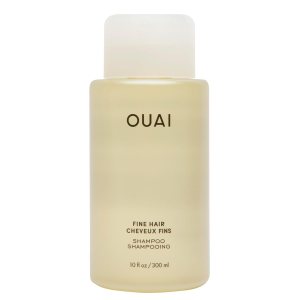
Best for: Fine hair that needs lightweight cleansing without heaviness.
Pros
- Lightweight formula for fine hair.
- May improve shine and manageability.
- Does not usually weigh hair down.
Cons
- Some users may find the scent strong.
- Main benefit is cosmetic fullness, not true regrowth.
- May not address dandruff or scalp inflammation.
Ouai Fine Hair Shampoo is designed for fine, flat hair that needs volume and softness. It may help make thinning hair look fuller without adding weight.
Key ingredients: Hydrolyzed keratin.
Sulfate-free? Yes.
9. SheaMoisture Strengthen and Restore Shampoo

Best for: Dry, brittle, textured, or breakage-prone hair.
Pros
- May help hair feel softer and stronger.
- Useful for dry and textured hair types.
- Contains moisturizing and conditioning ingredients.
Cons
- May take longer to rinse for some users.
- May be too rich for very fine or oily hair.
- Supports breakage care, not necessarily follicle-level regrowth.
SheaMoisture Strengthen and Restore Shampoo may be useful when thinning appearance is partly worsened by breakage, dryness, or damage.
Key ingredients: Peppermint, shea butter, and Jamaican black castor oil.
Sulfate-free? Yes.
10. Mielle Rosemary Mint Strengthening Shampoo

Best for: Dry, brittle, weak, or breakage-prone hair.
Pros
- May help cleanse without overly stripping some hair types.
- Contains rosemary and mint-focused ingredients.
- May support a refreshed scalp feel.
Cons
- Rosemary or mint ingredients may irritate sensitive skin.
- May not be ideal for everyone with scalp inflammation.
- Not a standalone hair-loss treatment.
Mielle Rosemary Mint Strengthening Shampoo is popular for people with brittle or weak strands. It may help improve the feel of the hair and support a cleaner scalp routine.
Key ingredient: Peppermint oil.
Sulfate-free? No.
11. Olaplex No. 4 Bond Maintenance Shampoo

Best for: Damaged, chemically treated, or breakage-prone hair.
Pros
- May make damaged hair look smoother, shinier, and fuller.
- Useful for breakage-prone hair.
- Suitable for many hair types.
Cons
- Higher price than many drugstore shampoos.
- Some users may not like the scent.
- Supports damage repair, not follicle-level regrowth.
Olaplex No. 4 Bond Maintenance Shampoo is useful when thinning appearance is worsened by breakage, bleaching, heat damage, or chemical processing.
Key ingredients: Bond-support technology, moisturizing agents, glycerin, and panthenol.
Sulfate-free? Yes.
12. Virtue Flourish Shampoo for Thinning Hair

Best for: Thinning-looking hair that also needs strength and volume support.
Pros
- Contains ingredients positioned around strength and scalp support.
- May help hair look fuller and healthier.
- Can be useful for damaged or fragile hair.
Cons
- Visible improvements may take time.
- May not suit every scalp type.
- Not a replacement for diagnosis-driven treatment.
Virtue Flourish Shampoo is designed for thinning hair and may help support body, strength, and scalp cleanliness.
Key ingredients: Keratin, peptides, and hyaluronic acid.
Sulfate-free? Yes.
13. R+Co Dallas Biotin Thickening Shampoo

Best for: Fine hair that needs body and volume.
Pros
- Lightweight formula that should not weigh down fine hair.
- May add body and bounce.
- Useful for cosmetic thickening.
Cons
- Fragrance may be strong for some users.
- Not a medical hair-loss treatment.
- May not be enough for scalp symptoms or progressive shedding.
R+Co Dallas Biotin Thickening Shampoo is a volumizing shampoo for fine or flat hair. It may help hair look fuller, but it should not be confused with a treatment that regrows hair.
Key ingredient: Coconut oil.
Sulfate-free? No.
14. Adwoa Beauty Baomint Moisturizing Shampoo

Best for: Curly, dry, sensitive, or moisture-seeking hair routines.
Pros
- Gentle moisturizing formula.
- May help remove buildup without stripping.
- Useful for curly and textured hair.
Cons
- May not provide strong volume.
- Mint or tea tree ingredients may not suit every sensitive scalp.
- Not a follicle-level regrowth treatment.
Adwoa Beauty Baomint Moisturizing Shampoo may be useful for people who need gentle cleansing and moisture while using other hair-loss treatments.
Key ingredients: Peppermint, tea tree oil, aloe, and coconut oil.
Sulfate-free? Yes.
15. Nizoral Anti-Dandruff Shampoo

Best for: Dandruff, seborrheic dermatitis, itching, and flaky scalp support.
Pros
- Contains ketoconazole, an antifungal ingredient used for dandruff.
- May help reduce scalp inflammation linked with flaking.
- Useful when dandruff is part of the shedding picture.
Cons
- Not the most cosmetic or luxurious shampoo.
- May be drying if overused.
- Should be used according to label directions.
Nizoral Anti-Dandruff Shampoo may be useful when dandruff, itching, or seborrheic dermatitis is present. Because scalp inflammation can worsen shedding in some people, managing dandruff may support a healthier scalp environment.
Key ingredient: Ketoconazole.
Sulfate-free? No.
If your hair loss is continuing despite shampoo changes, do not keep guessing.
A professional can help identify the actual driver and decide whether you need labs, scalp care, minoxidil, prescription treatment, inflammation control, or a different plan.
How to Choose the Best Shampoo for Thinning Hair
If You Have Dandruff or Itching
Choose a dandruff-focused shampoo with ingredients such as ketoconazole, piroctone olamine, climbazole, salicylic acid, or zinc pyrithione depending on availability and tolerance.
If Your Hair Looks Flat or Fine
Choose a lightweight volumizing shampoo that adds body without heavy oils or residue.
If You Have Breakage
Choose a strengthening or bond-support shampoo and reduce heat, bleaching, tight hairstyles, and harsh brushing.
If Your Scalp Is Dry or Sensitive
Choose a gentle, hydrating, sulfate-free formula and avoid over-exfoliating or using strong actives too often.
If You Have Pattern Hair Loss
A shampoo may support the routine, but it is unlikely to be enough alone. Consider professional guidance on evidence-based options such as minoxidil, prescription therapies, or other targeted treatments.
Frequently Asked Questions About Shampoos for Thinning Hair
- Can shampoo regrow thinning hair?
- Most shampoos do not regrow hair. They may support scalp health, reduce flakes, improve volume, reduce breakage, and make hair look fuller.
- What type of shampoo is best for thinning hair?
- It depends on the cause. Dandruff-prone scalps may need antifungal or exfoliating support. Fine hair may need volume. Breakage-prone hair may need strengthening and moisture.
- Can dandruff shampoo help hair loss?
- It may help if dandruff, seborrheic dermatitis, itching, or inflammation is contributing to shedding. It will not fix all types of hair loss.
- Are DHT-blocking shampoos enough for male pattern hair loss?
- Usually not alone. They may support the routine, but male pattern hair loss often needs evidence-based treatment and professional guidance.
- How long should I try a shampoo before judging it?
- For scalp comfort and volume, you may notice changes within a few washes. For shedding or scalp health, give it 6 to 8 weeks unless irritation occurs.
- When should I see a professional?
- Seek help if hair loss is sudden, patchy, painful, inflamed, rapidly worsening, or not improving with basic care.
Conclusion
Shampoos can be useful for thinning hair, but they work best when expectations are realistic. They can improve scalp health, reduce buildup, manage dandruff, strengthen fragile strands, and make hair look fuller. They usually cannot reverse true hair loss by themselves.
The best shampoo depends on what is happening with your scalp and hair. If you have flakes or itching, focus on scalp control. If your hair is fine and flat, focus on volume. If your hair is breaking, focus on strength and moisture. If your density is visibly declining, get a proper diagnosis before relying on shampoos alone.
Disclaimer: This content is for general informational and educational purposes only. It is not medical advice and should not replace consultation with a qualified healthcare professional. Product formulas, prices, claims, links, and availability can change. Seek professional evaluation for sudden, patchy, painful, inflamed, or persistent hair loss.