What is Tinea Capitis (Ringworm of the scalp)?
Ringworm of the scalp is a cutaneous fungal infection that is most commonly reported in children, but which can affect individuals of all ages
Overview
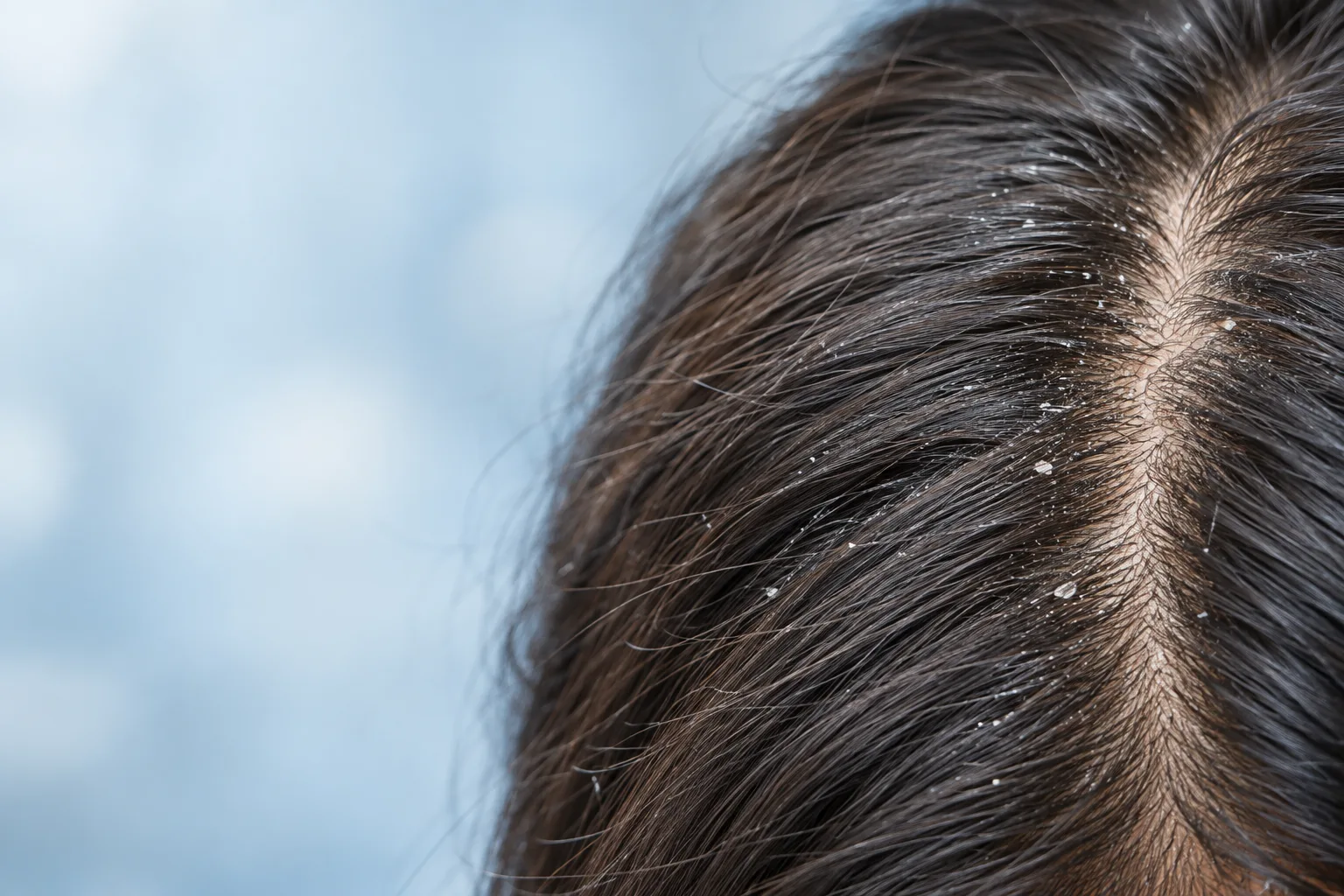
Hero image: AI-generated educational illustration, not a patient photograph.
Scalp infections can mimic other conditions. A quick consult helps confirm what it is and what actually works.
Find a trichologist here .
Tinea Capitis, or ringworm of the scalp, is a cutaneous fungal infection that thrives in the warm and damp parts of the body. It is a result of a dermatophyte, which is a mold-like fungus that can live and grow on the dead tissues of the skin, nails, and hairs. This fungal infection gets its name from the fact that it forms circular lesions on the skin that have flat centers and raised borders.
Ringworm infections are most commonly reported in children, however, they can be found in individuals of all ages.
Symptoms
The most common sign of ringworm of the scalp is the presence of one or more extremely itchy patch/patches that in time, turn into a ring-like lesion.
Other symptoms include:
- Hair loss that may start as small patches and later coalesce into a diffuse patterned hair loss;
- Scaly, reddened, or gray-area over the scalp;
- Patches that have small black dots at the point where the hair broke off the scalp;
- Brittle and fragile scalp hair;
- Local tenderness and pain on the scalp;
- Swollen nearby lymph nodes at the back of the head and neck;
- A mild low-grade fever.
Causes
As the infection is fungal, it readily grows in warm moist surfaces such as swimming pools and locker rooms. Overcrowding and poor hygiene care can, therefore, be a significant risk factor for the development of a ringworm infection. Other risk factors include young age, low immunity, prior health conditions such as diabetes, and skin injuries.
Modes of transmission
This highly contagious infection can spread through the following routes:
- Person to person contact: direct skin contact with an infected individual.
- Object to person contact: sharing materials of personal hygiene such as combs, towels, sheets, and pillows with an infected person.
- Animal to person contact: House pets such as cats and dogs can sometimes also be a source of spread while showing no signs of infections themselves. Other farm animals such as cows, goats, pigs, and horses can be another source of infection.
Complications
Although rarely fatal, some cases of ringworm of the scalp may result in severe inflammation and formation of an abscess called the kerion. A kerion is usually soft, raised swelling that contains pus, and causes thick yellow crusting over the scalp. It is an overly excessive reaction to the fungal agent that leads to scarring and permanent hair loss.
Preventing ringworm of the scalp
As this fungal infection is readily common in warm, humid climates, special care should be taken in these conditions. Further steps can help reduce the risk of contracting this highly contagious infection:
- Ensure adequate hygiene care with regular shampooing of the scalp, especially after hair cuts.
- Maintain hand hygiene with frequent hand washing with soap and water.
- Drying of hands and body with a clean towel after showering, swimming or any other sweating physical activity can further reduce the risk of infection.
- Avoid wearing tight, fitted clothes during work outs and change clothing daily.
- Avoid petting infected animals when a patch of hair looks missing. Get your pets regularly checked for ringworms or other contagious skin infections.
- Avoid sharing personal items such as clothing, hairbrushes, towels, and other personal care products.
Diagnosis
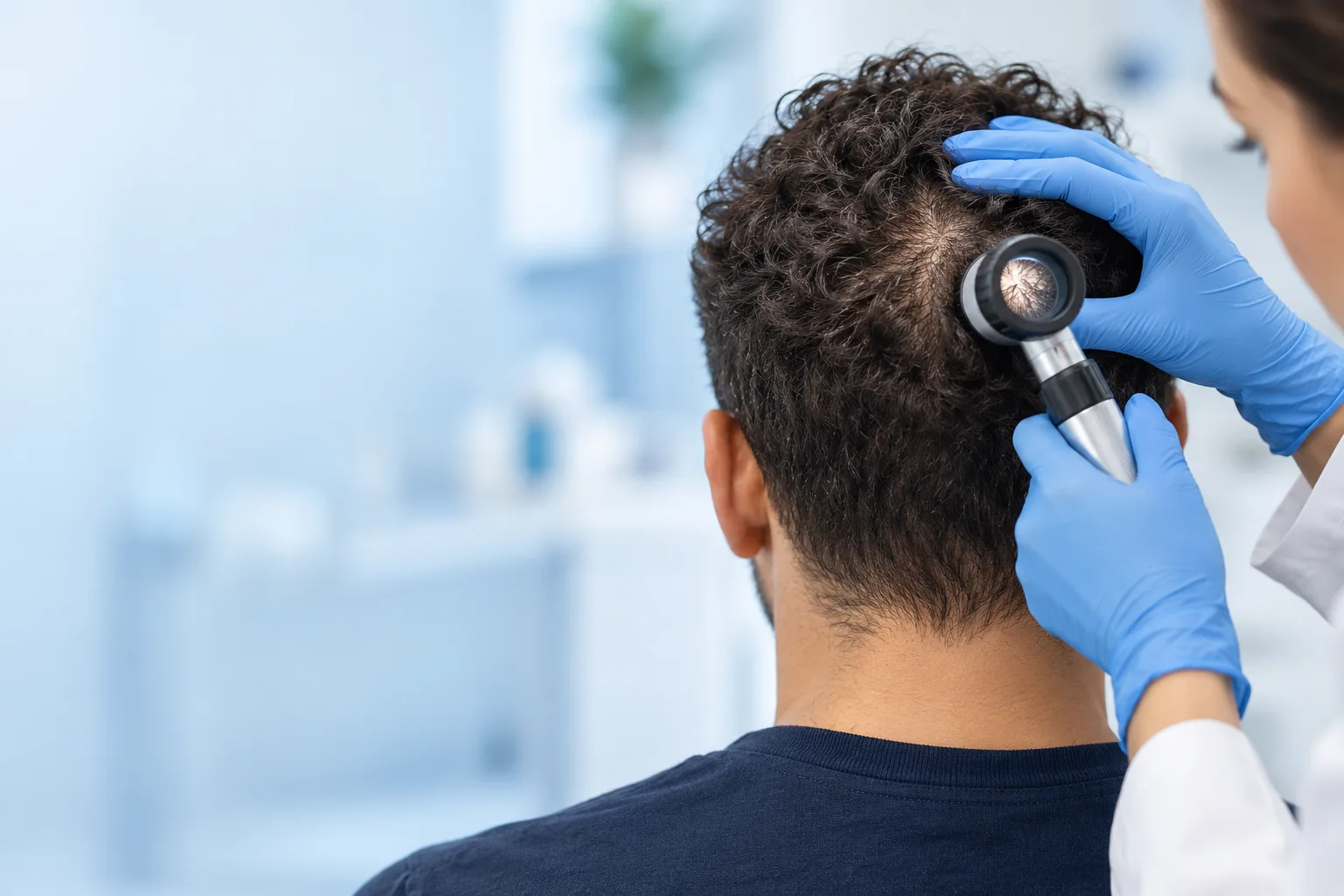
A visual examination by a physician with relevant clinical history is often adequate in establishing the diagnosis for ringworm infection. For further confirmation, a sample of infected skin may also be collected and be further examined under a microscope.

Treatment
Treatment for ringworm of the scalp includes oral anti-fungal medications as well as medicated shampoos that may lessen the spread of infection. As maintaining a clean scalp is one of the most important preventive measures, a physician may in fact advise the use of anti-fungal shampoos.
References
William J, Berger T, Elston D. Andrews diseases of the skin. Clinical dermatology. 2005;10.
Degreef H. Clinical forms of dermatophytosis (ringworm infection). Mycopathologia. 2008 Nov 1;166(5-6):257.
Ali S, Graham TA, Forgie SE. The assessment and management of tinea capitis in children. Pediatric emergency care. 2007 Sep 1;23(9):662-5.
Wigger-Alberti W, Elsner P. Fluorescence with Wood’s light. Current applications in dermatologic diagnosis, therapy follow-up and prevention. Der Hautarzt; Zeitschrift fur Dermatologie, Venerologie, und verwandte Gebiete. 1997 Aug;48(8):523-7.
Slowinska M, Rudnicka L, Schwartz RA, Kowalska-Oledzka E, Rakowska A, Sicinska J, Lukomska M, Olszewska M, Szymanska E. Comma hairs: a dermatoscopic marker for tinea capitis: a rapid diagnostic method. Journal of the American Academy of Dermatology. 2008 Nov 1;59(5):S77-9.
Gupta AK, Cooper EA. Update in antifungal therapy of dermatophytosis. Mycopathologia. 2008 Nov 1;166(5-6):353-67.
Gonzalez U, Seaton T, Bergus G, Jacobson J, MartnezMonzn C. Systemic antifungal therapy for tinea capitis in children. Cochrane Database of Systematic Reviews. 2007(4).
Blumer JL. Pharmacologic basis for the treatment of tinea capitis. The Pediatric infectious disease journal. 1999 Feb 1;18(2):191-9.
Read next
Explore related guides for your next step.