What is Trichology? The Science of Hair & Scalp Health
Trichology is the paramedical science dedicated to the study of the structure, function, and diseases of the human hair and scalp. As a specialized field, trichology focuses on understanding the complex biological processes that govern hair growth, identifying the root causes of hair loss and scalp conditions, and developing effective strategies for their management and prevention. Trichologists are hair and scalp specialists who provide comprehensive assessments and personalized treatment plans, bridging the gap between cosmetic hair care and medical dermatology.
Concerned about your hair or scalp health?
A certified trichologist can assess your condition, identify the root cause, and build a personalised treatment plan tailored to you.
| Find a Trichologist Near You |
The Origins and Evolution of Trichology
The field of trichology has a rich history, tracing its origins back to London in 1902. Born out of a growing understanding of hair and scalp health as distinct from general dermatology, early trichologists began to specialize in conditions affecting the hair follicle and surrounding skin. Over the decades, trichology has evolved, incorporating advancements in science, technology, and medical research to become a recognized paramedical discipline. Key milestones in its development include the founding of the International Association of Trichologists in 1974 by David Salinger, and later, the World Trichology Society in 2010 by Dr. David Kingsley, which emphasized a more medical approach to the science.
Today, trichology stands as a crucial area of expertise, particularly as modern lifestyles introduce new challenges to hair health. Factors such as increased pharmaceutical usage, hormone fluctuations, chronic stress, nutritional deficiencies, and sedentary habits contribute to a rise in hair loss and scalp conditions. Trichologists are uniquely positioned to address these multifaceted issues by taking a holistic view of an individual’s health and lifestyle.
Trichology vs. Dermatology: Understanding the Distinction
While both trichologists and dermatologists address conditions of the skin and hair, their approaches and primary focus areas differ. Trichology specializes exclusively in the hair and scalp, delving deep into the specific mechanisms of hair growth cycles, hair shaft disorders, and various forms of alopecia and scalp dermatoses. A trichologist’s expertise is honed to identify the intricate interplay of internal and external factors affecting hair health.
Dermatology, conversely, is a broad medical specialty that encompasses all conditions of the skin, hair, and nails across the entire body. Dermatologists are medical doctors who can diagnose and treat a wide range of skin diseases, including those affecting the scalp, and can prescribe medications. While a dermatologist may treat a scalp condition, a trichologist will often focus on the hair growth cycle, hair density, and the overall health of the hair follicles, providing non-surgical and holistic solutions. Often, a collaborative approach between a dermatologist and a trichologist offers the most comprehensive care for complex hair and scalp issues.
The Scope of a Trichologist’s Practice
A trichologist’s practice is comprehensive, extending beyond simple hair care advice to detailed diagnostic assessments and personalized management plans. When you consult a trichologist, they typically conduct a thorough evaluation, which includes:
Detailed Client History and Lifestyle Assessment
Understanding an individual’s medical history, dietary habits, stress levels, medication use, and hair care routines is paramount. This information helps identify potential internal and external contributors to hair and scalp problems. For instance, a trichologist might inquire about recent illnesses, significant life changes, or nutritional intake, which can be critical in diagnosing issues like why your hair is falling out or chronic telogen effluvium.
Scalp and Hair Analysis
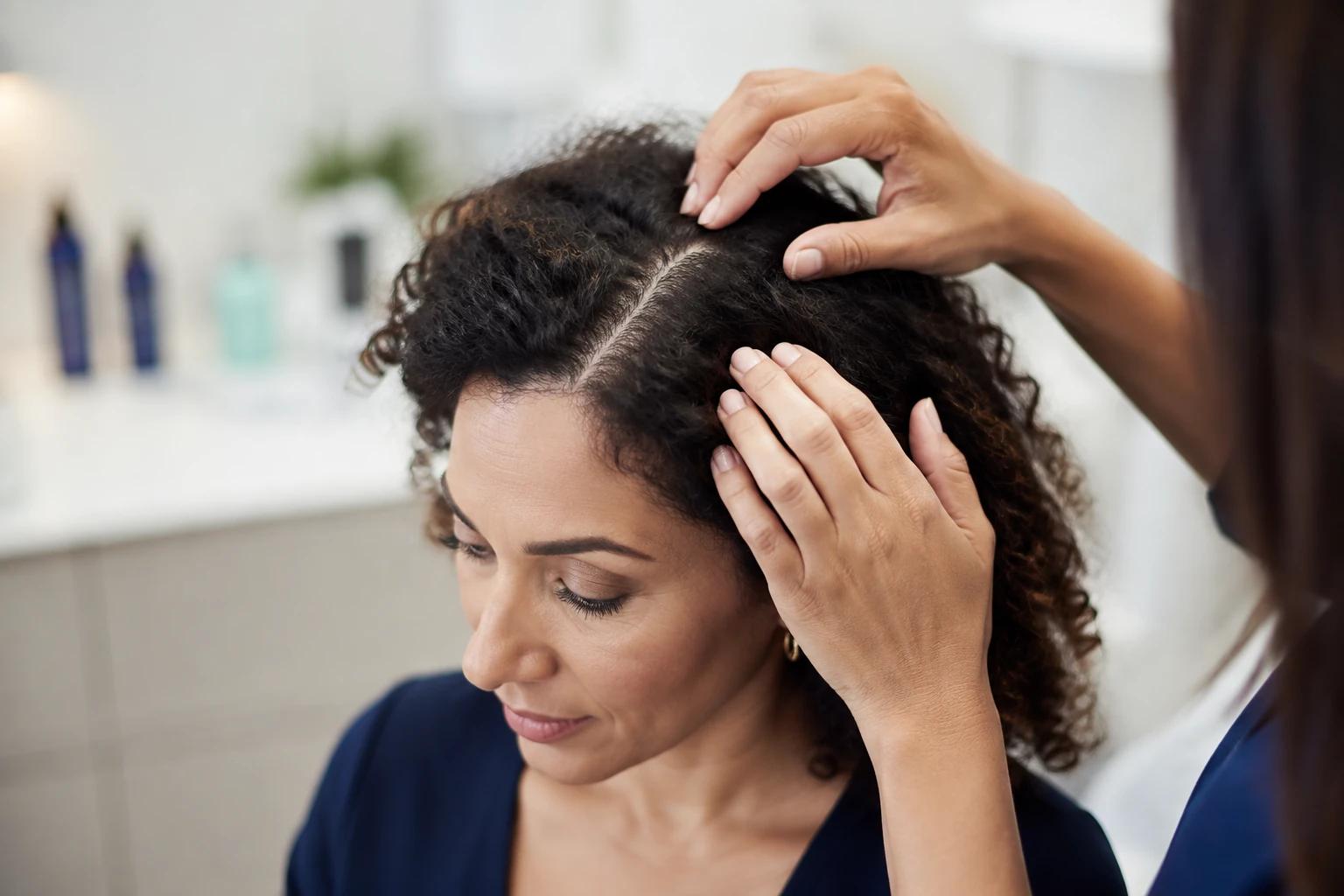
This involves a visual examination of the scalp for signs of inflammation, flaking, redness, or lesions. Specialized tools, such as dermascopes or trichoscopes, may be used to magnify the scalp and hair follicles, allowing for a more detailed assessment of hair density, hair shaft integrity, and follicular activity. This analysis helps differentiate various types of hair thinning, such as androgenetic alopecia versus telogen effluvium.
Identifying Root Causes of Hair Loss and Scalp Conditions
One of the primary roles of a trichologist is to uncover the underlying reasons for hair loss. This goes beyond superficial symptoms to investigate:
- Genetic factors: Family history of hair loss.
- Hormonal imbalances: Conditions like PCOS, thyroid dysfunction, or postpartum hair loss.
- Nutritional deficiencies: Lack of essential vitamins and minerals crucial for hair growth.
- Stress: Both acute and chronic psychological stress can trigger hair shedding.
- Inflammation: Scalp conditions like dermatitis or folliculitis.
- Environmental factors: Exposure to pollutants or harsh hair products.
- Medication side effects: Certain drugs can induce hair loss.
Personalized Treatment Plans
Based on the assessment, a trichologist develops a customized treatment plan. These plans often integrate a multi-therapeutic approach, which may include:
- Dietary and nutritional advice: Recommending supplements like biotin or specific foods to address deficiencies.
- Topical treatments: Shampoos, conditioners, and serums designed to improve scalp health and stimulate hair growth.
- Low-level laser therapy (LLLT): To stimulate cellular activity in hair follicles.
- Scalp treatments: Exfoliants, masks, or specialized massages to improve circulation and reduce inflammation.
- Lifestyle modifications: Stress management techniques, exercise, and sleep hygiene.
- Referrals: When necessary, referring clients to medical doctors for further diagnostic testing or prescription medications.
Common Hair and Scalp Conditions Addressed by Trichologists
Trichologists are equipped to handle a wide array of conditions, providing insights and solutions for persistent and often distressing hair and scalp issues:
Hair Loss Conditions (Alopecias)
- Androgenetic Alopecia (Pattern Hair Loss): The most common type of hair loss, affecting both men and women, characterized by a receding hairline or thinning at the crown.
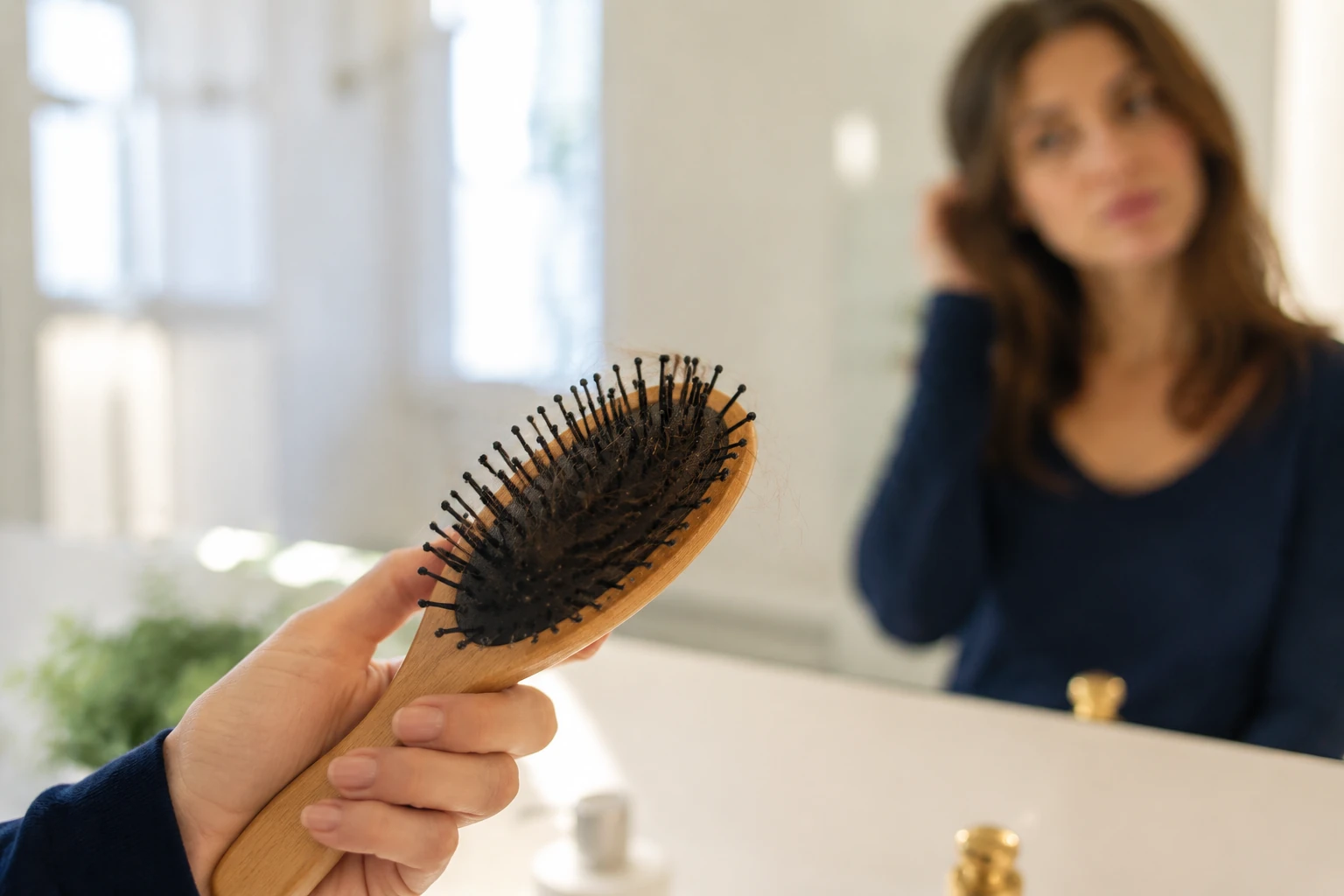
- Telogen Effluvium: Excessive shedding of resting hairs, often triggered by stress, illness, poor nutrition, or hormonal changes. Chronic Telogen Effluvium, for example, can be driven by mast cell degranulation.
- Alopecia Areata: An autoimmune condition causing patchy hair loss.
- Traction Alopecia: Hair loss caused by prolonged tension on the hair follicles, often due to tight hairstyles.
Scalp Conditions
- Dandruff (Pityriasis Capitis): Flaking and itching of the scalp.
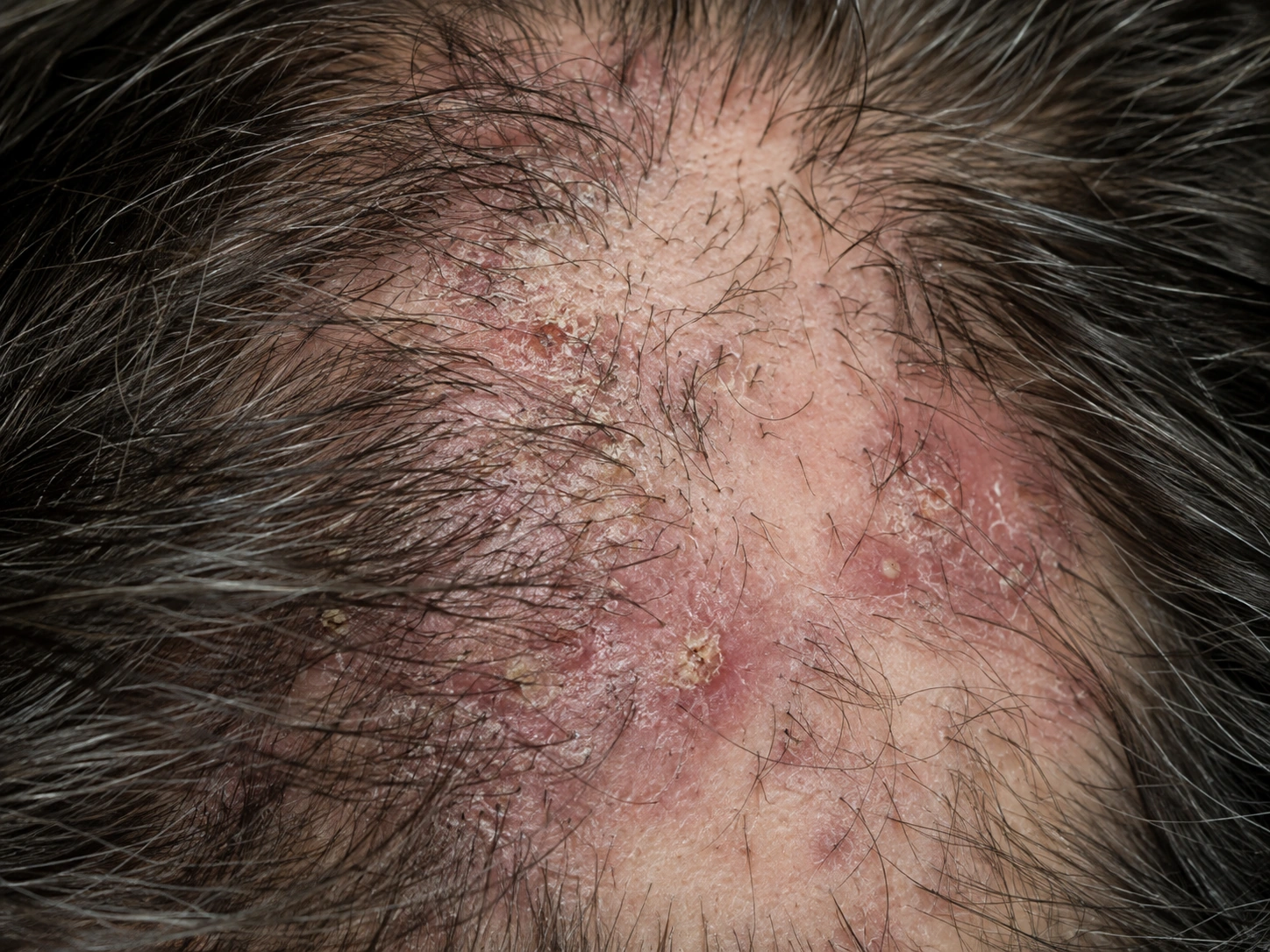
- Seborrheic Dermatitis: A common inflammatory skin condition causing red, itchy, flaky patches, often on the scalp.
- Psoriasis of the Scalp: An autoimmune disease causing thick, silvery scales and red patches on the scalp.
- Folliculitis: Inflammation of the hair follicles, often due to bacterial or fungal infection.
Hair Shaft Disorders
- Trichorrhexis Nodosa: Brittleness and breakage of the hair shaft.
- Split Ends (Trichoptilosis): Fraying of the hair shaft due to damage.
- Canities: Premature graying of hair.
The Gaunitz Trichology Method (GTM)
The modern world has created the perfect environment for hair loss, with multiple contributing factors often manifesting simultaneously. Simply applying a single product or treatment rarely provides a lasting solution. Recognizing this, William Gaunitz FWTS, a certified trichologist, developed the Gaunitz Trichology Method (GTM) over a 16-year period. This method is a comprehensive, multi-therapeutic system designed to provide effective hair loss treatment by addressing all reasons for hair loss simultaneously, promoting natural hair regrowth.
GTM-approved products are utilized in clinics globally to effectively treat various types of alopecias. This system allows individuals to typically regrow hair lost in the previous 3 to 5 years within as little as 60 days, achieving impressive results for both men and women. The philosophy behind GTM emphasizes understanding and blocking the root causes of hair loss, rather than just treating symptoms, leading to a more successful and sustainable outcome.
Why Consult a Trichologist?
Many individuals experience hair loss or scalp issues that can be confusing and distressing. While some may initially turn to general practitioners or dermatologists, a trichologist offers specialized expertise that can be invaluable. You might consider consulting a trichologist if:
- You are experiencing unexplained or persistent hair shedding or thinning.
- Over-the-counter remedies have not yielded satisfactory results.
- You have chronic scalp irritation, itching, or flaking.
- You want a clear, personalized plan for managing your hair and scalp health.
- You are seeking non-surgical, holistic approaches to hair restoration.
- You have been diagnosed with a scalp condition and want complementary care.
Common Questions About Trichology
- What exactly does a trichologist do?
- A trichologist specializes in the diagnosis and treatment of conditions affecting the human hair and scalp. They conduct detailed assessments, analyze client history, and provide personalized non-medical treatment plans and advice for various forms of hair loss, hair thinning, and scalp disorders. They focus on understanding the root causes rather than just addressing symptoms.
- Is trichology a recognized medical field?
- Trichology is a paramedical science, meaning it is a specialized health discipline that complements the medical field but is not typically practiced by medical doctors. Trichologists are highly trained specialists in hair and scalp health, often working alongside medical professionals or providing non-medical interventions and lifestyle guidance.
- How long does it take to see results from trichological treatments?
- The timeline for seeing results varies significantly depending on the specific condition, its severity, individual response, and consistency with the treatment plan. Some individuals may notice improvements in scalp health within a few weeks, while significant hair regrowth can take several months — often 3 to 6 months — or even longer for more chronic conditions. The Gaunitz Trichology Method suggests hair lost in the previous 3-5 years can regrow in as little as 60 days.
- Can a trichologist diagnose medical conditions?
- Trichologists can identify symptoms indicative of underlying medical conditions that may be affecting hair and scalp health. However, they do not medically diagnose diseases or prescribe pharmaceutical drugs. If a trichologist suspects a medical condition, they will refer the client to a medical doctor (such as a dermatologist or endocrinologist) for proper diagnosis and treatment.
- Are trichological treatments expensive?
- The cost of trichological consultations and treatments can vary widely based on the trichologist’s experience, location, and the specific services and products required. Initial consultations typically involve a fee, and subsequent treatments or recommended products will incur additional costs. It is advisable to inquire about pricing during initial contact.
Find a Trichologist Near You
Whether you’re dealing with hair loss, scalp issues, or simply want expert guidance, a certified trichologist can help you find answers and a clear path forward.
Find a trichologist in your state:
- Alabama
- Alaska
- Arizona
- Arkansas
- California
- Colorado
- Connecticut
- Delaware
- Florida
- Georgia
- Hawaii
- Idaho
- Illinois
- Indiana
- Iowa
- Kansas
- Kentucky
- Louisiana
- Maine
- Maryland
- Massachusetts
- Michigan
- Minnesota
- Mississippi
- Missouri
- Montana
- Nebraska
- Nevada
- New Hampshire
- New Jersey
- New Mexico
- New York
- North Carolina
- North Dakota
- Ohio
- Oklahoma
- Oregon
- Pennsylvania
- Rhode Island
- South Carolina
- South Dakota
- Tennessee
- Texas
- Utah
- Vermont
- Virginia
- Washington
- West Virginia
- Wisconsin
- Wyoming
Conclusion: Patience and a Long-Term Strategy
Trichology offers a science-backed, holistic approach to understanding and treating hair and scalp conditions. It emphasizes the importance of identifying underlying causes and implementing comprehensive, personalized strategies for optimal results. For anyone experiencing concerns about their hair or scalp, consulting a qualified trichologist can provide the clarity, expertise, and effective solutions needed to restore health and confidence.
The journey to healthy hair is often a long-term commitment, requiring patience and adherence to recommended protocols. By working with a trichologist, individuals can gain a deeper understanding of their unique hair and scalp biology and embark on a path towards sustainable hair health.