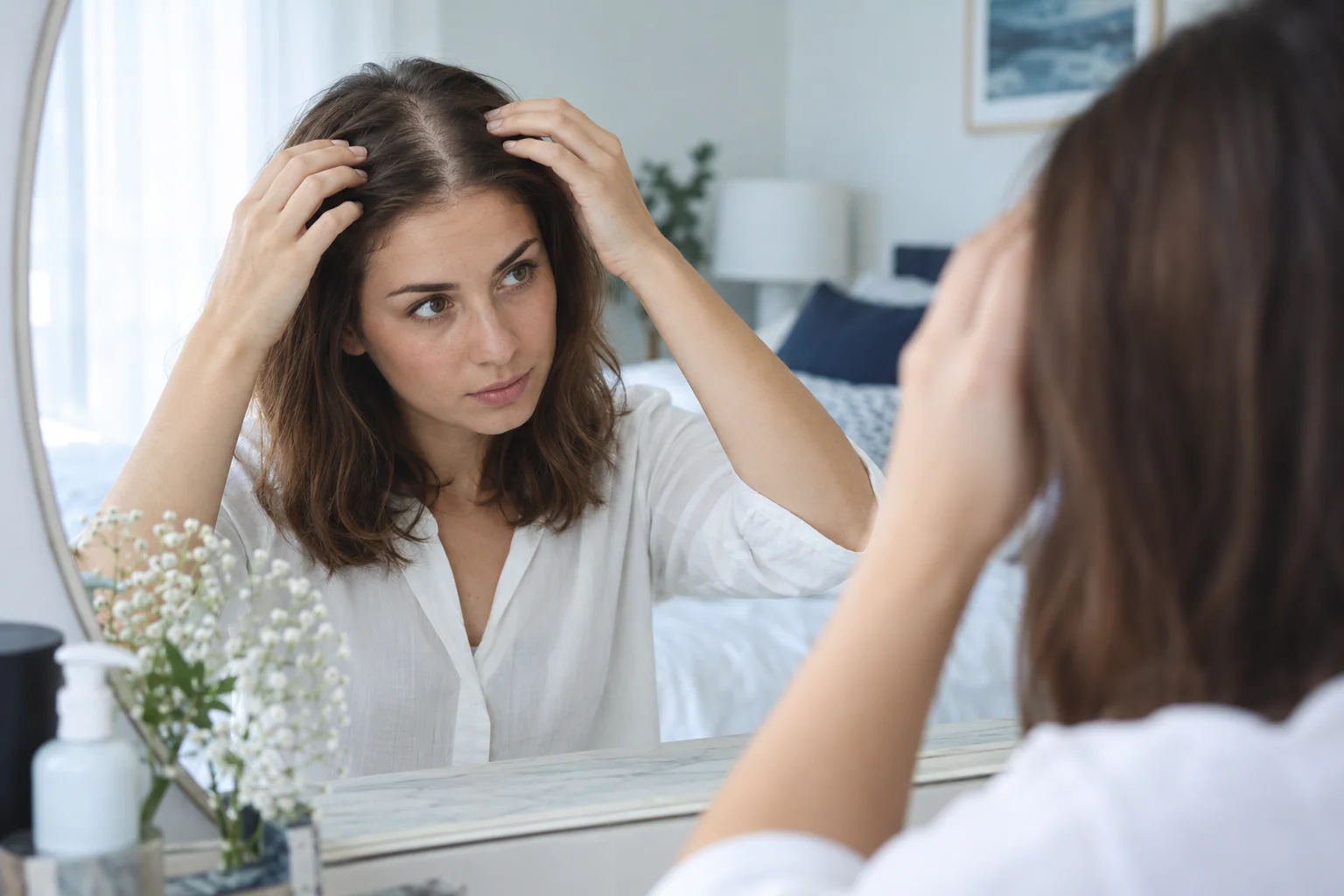
Hair changes in the teenage years deserve attention.
Explore causes, diagnosis, treatment questions and emotional support for teenagers.
Teenage Hair Loss: Causes, Diagnosis, Treatment, and Support
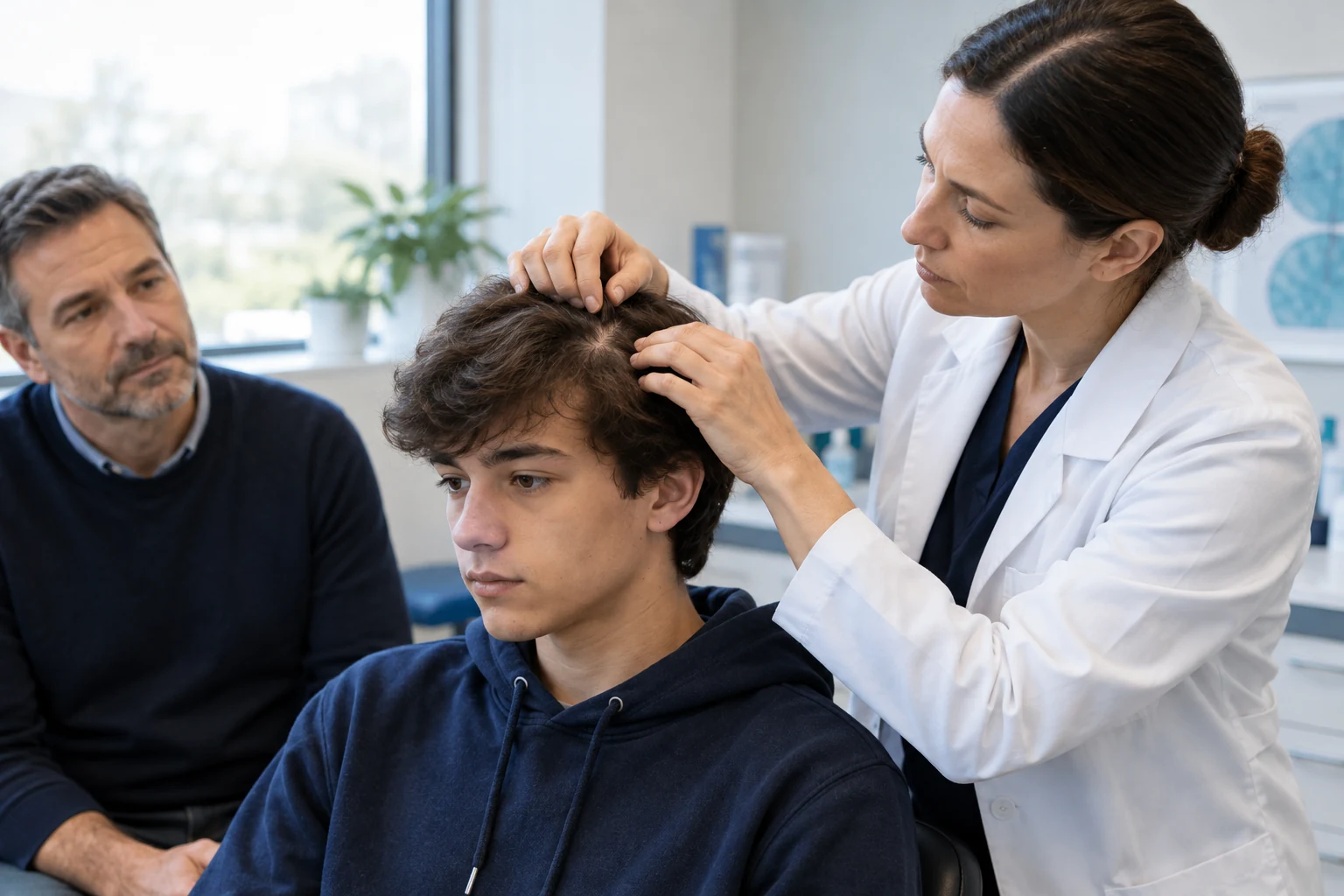
Is your teenager facing unexpected hair loss? Teenage hair loss can be upsetting, confusing, and emotionally difficult, especially during a stage of life when confidence and appearance feel very important.
Hair loss in teenagers can happen for many reasons, including puberty-related hormonal shifts, genetics, poor nutrition, stress, illness, scalp conditions, medications, tight hairstyles, or autoimmune disease. Some cases are temporary. Others need early diagnosis and treatment to prevent worsening.
This guide explains the most common causes of teenage hair loss, what signs to watch for, how it is diagnosed, treatment options, emotional support strategies, and when to see a dermatologist or trichology professional.
Worried about teenage hair loss?
A certified trichologist can help assess the hair loss pattern, scalp condition, nutrition history, stress triggers, styling habits, and possible medical contributors.
Looking for someone local?
Start with one of these local trichologist guides:
Key Takeaways
- Teenage hair loss can have many causes. Genetics, puberty, hormones, nutrition, scalp disease, stress, medications, and styling habits can all contribute.
- Hair loss in teens should not be ignored. Sudden, patchy, painful, or rapidly worsening hair loss needs professional evaluation.
- Nutrition matters. Low iron, low vitamin D, low protein intake, and other deficiencies can affect teenage hair growth.
- Scalp symptoms are important clues. Itching, flaking, redness, scaling, tenderness, or broken hairs may point to infection, inflammation, or traction damage.
- Emotional support matters too. Hair loss can affect confidence, self-esteem, school life, and social interactions.
- Treatment depends on the cause. Minoxidil, antifungals, anti-inflammatory medication, nutrition correction, styling changes, or counseling may be useful depending on diagnosis.
Quick Next Steps
- Check the pattern: Diffuse shedding, bald patches, hairline recession, crown thinning, and broken hairs suggest different causes.
- Look at the scalp: Redness, itching, scaling, pain, flakes, black dots, or sores need closer evaluation.
- Review recent triggers: Puberty, illness, stress, dieting, new medication, tight hairstyles, or scalp infection may be involved.
- Consider labs: Ferritin, iron panel, vitamin D, thyroid markers, CBC, zinc, and B12 may be useful depending on symptoms.
- Get help early: Early diagnosis improves the chance of controlling shedding and supporting regrowth.
Causes of Teenage Hair Loss
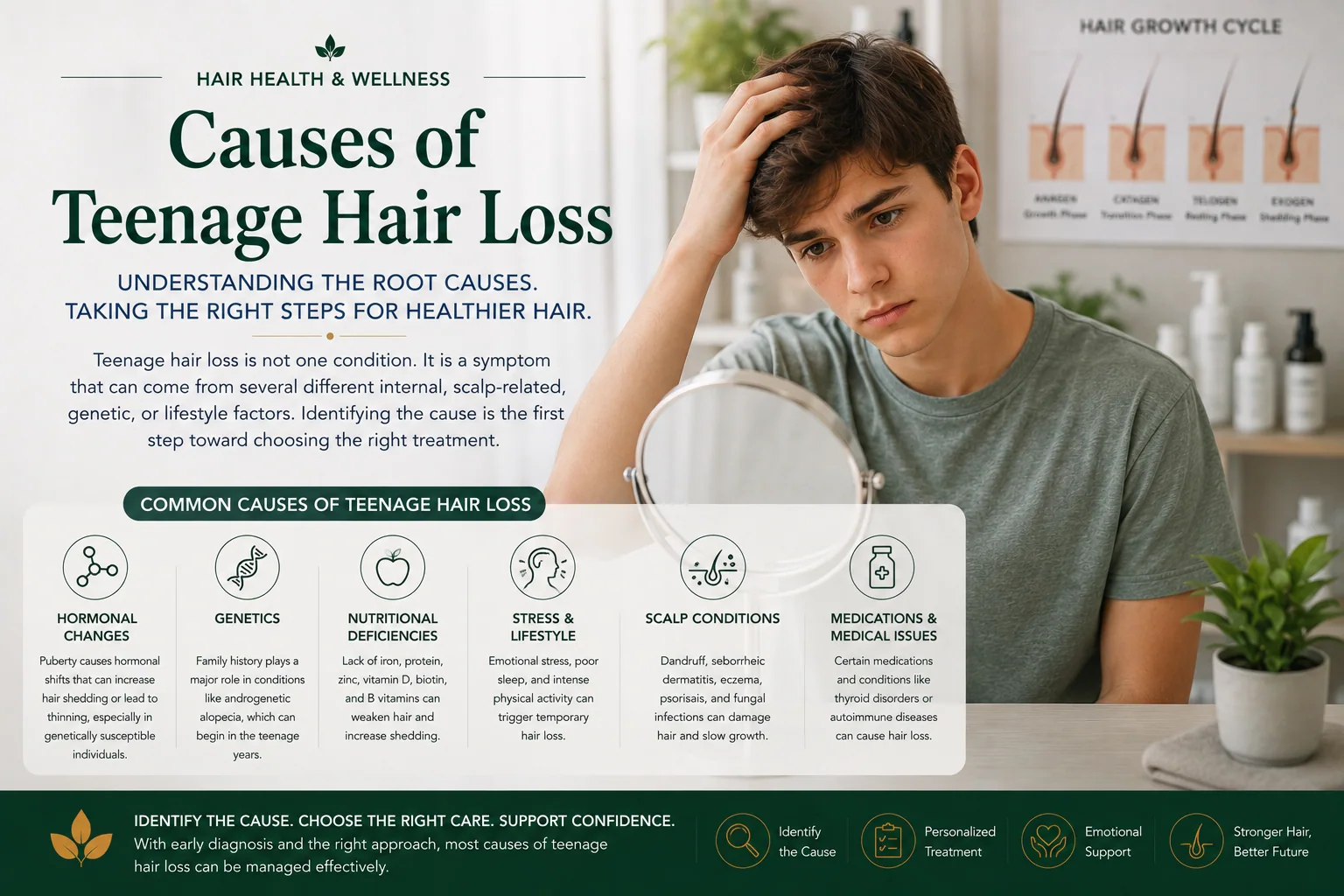
Teenage hair loss is not one condition. It is a symptom that can come from several different internal, scalp-related, genetic, or lifestyle factors. Identifying the cause is the first step toward choosing the right treatment.
Hormonal changes during puberty can trigger hair thinning. Poor nutrition can also play a role in receding hairlines, shedding, brittle hair, and bald patches in teenagers.
Genetic Factors
Genetic factors can play a major role in teenage hair loss. Early-onset androgenetic alopecia may begin around puberty and can cause gradual thinning, crown loss, temple recession, or a widening part.
This type of hair thinning may worsen with age if it is not identified and managed. Both boys and girls can inherit genetic sensitivity to hair thinning from either side of the family.
The texture and health of hair follicles can also be influenced by genetics. If close family members experienced early thinning, balding, or poor hairline density, a teenager may be at higher risk.
Androgenetic alopecia is one of the most common genetically linked hair loss patterns that can affect teenagers.
Your genes can strongly influence your likelihood of experiencing certain types of hair loss, says Dr. Jane Smith, a dermatologist specializing in adolescent health.
Hormonal Imbalances
Hormonal changes during puberty can cause hair loss in teenagers. Hormones such as dihydrotestosterone, also known as DHT, may contribute to thinning in genetically sensitive follicles.
For girls, polycystic ovary syndrome, thyroid disorders, irregular cycles, acne, or signs of androgen imbalance may occur alongside fine, dry hair and a burning scalp.
Some hormonal shifts improve naturally over time, but persistent symptoms should be evaluated. Birth control pills may help regulate hormones for some teens with hair loss related to PCOS, but this should only be managed by a healthcare professional.
Consulting a doctor is important if symptoms persist or worsen. Depending on the diagnosis, treatment options may include hormone evaluation, scalp care, nutrition correction, or medications such as finasteride for male pattern baldness in selected cases under medical supervision.
Underlying Medical Conditions
Systemic illnesses such as autoimmune diseases, including discoid lupus, can lead to hair loss in teenagers. Conditions that affect nutrient absorption can also contribute.
An imbalance of thyroid hormones may cause hair shedding, thinning, dryness, or texture changes. Treating thyroid imbalance can help reduce shedding when thyroid dysfunction is the underlying driver.
Certain medications play a significant role in teenage hair loss too. Chemotherapy drugs, antidepressants, birth control pills, some heart medications, antibiotics, and anabolic steroids have all been linked with increased hair fall.
These triggers may disrupt the normal cycle of hair growth and shedding. A medical history review is important when hair loss starts after a new illness, medication, or major body stress.
Poor Nutrition
Nutritional deficiencies can trigger hair shedding in teenagers. Low intake of essential vitamins and minerals, including vitamin C, vitamin D, vitamin E, zinc, protein, and iron can lead to significant hair loss.
Poor dietary habits may cause conditions such as alopecia areata or telogen effluvium to become worse or harder to recover from, especially when the body lacks enough nutrients to support normal hair cycling.
Consuming nutrient-rich foods is crucial for healthy hair. Vegetables, nuts, fish, eggs, legumes, and lean meats can support strong and vibrant hair growth.
Vitamin C supports collagen production and iron absorption, while iron helps carry oxygen to the follicles.
Eating a well-balanced diet can make all the difference in maintaining healthy hair.
Hair Care Practices
Poor nutrition can make hair more fragile, but hair care practices also play a major role in teenage hair health.
Tight hairstyles such as ponytails, braids, buns, cornrows, and extensions can cause traction alopecia. This can lead to broken hairs, thinning edges, scalp tenderness, and hairline recession.
Frequent heat styling can damage the hair shaft and increase breakage. Chemical treatments such as relaxers, bleaching, and dyes may weaken strands over time.
Stress from school, exams, social pressure, and sleep disruption can also affect scalp health and shedding patterns.
Choosing gentle shampoos, avoiding harsh chemicals, reducing heat exposure, and regularly massaging your scalp may help support circulation, reduce tension, and protect fragile hair.
The Psychological Impact of Teenage Hair Loss
Teenage hair loss can severely affect self-esteem and confidence. Social media can intensify these feelings, especially when teenagers compare themselves to filtered or unrealistic images online.
Self-Esteem and Confidence
Hair loss can significantly impact self-esteem and confidence, especially in teenagers. Fear of being judged, teased, or bullied may lead to anxiety and social withdrawal.
A 2018 study revealed that nearly 60% of individuals experiencing hair loss reported feelings of shame. This emotional strain is not only about appearance. It can affect school participation, friendships, dating confidence, and everyday mood.
The severity of emotional symptoms may correlate with the extent of hair loss, especially in visible conditions such as androgenetic alopecia. Some teens may become fixated on perceived flaws, which can worsen anxiety or body image distress.
Social Media Pressure
Social media can push teens to compare themselves with others constantly. Perfect photos, filters, curated lifestyles, and beauty-driven content can make thinning hair or bald spots feel even more noticeable.
Receiving online comments about hair thinning, bald spots, or appearance can feel devastating. Many young women experience more stress from hair loss because of social expectations around thick, healthy hair.
This creates an unrealistic standard that many teens may feel pressured to meet.
Coping Mechanisms
Social media pressure can make teenage hair loss even more difficult to handle. However, several coping mechanisms can help manage the emotional and physical impacts of hair loss.
- Wearing wigs and headpieces: These can provide an immediate solution for visible hair loss. Wigs come in different styles, colors, and textures.
- Scarves and hats: Scarves, caps, and hats can be stylish while covering areas of thinning hair or bald spots.
- False eyelashes: For teens losing eyelashes, false lashes may help improve confidence.
- Drawn-on eyebrows: Eyebrow pencils, powders, or gels can help create a natural look when eyebrow thinning is present.
- Semi-permanent tattoos: Some people use scalp micropigmentation or brow tattooing to create the appearance of hair growth or density.
- Support groups: Connecting with other teenagers experiencing similar issues can reduce isolation.
- Psychological counseling: A mental health professional can provide strategies for dealing with low self-esteem caused by hair loss.
These approaches can help support both the physical appearance and psychological well-being of teens facing hair loss.
Solutions for Teenage Hair Loss
The first step in addressing teenage hair loss is identifying the cause. A dermatologist can diagnose medical conditions, while a trichologist can help evaluate scalp health, shedding patterns, nutrition, and hair care habits.
Eating a balanced diet rich in essential vitamins and minerals can also help improve hair health.
Consult a Dermatologist
Visiting a dermatologist can make a major difference in managing teenage hair loss. Dermatologists can identify different types of hair loss, including androgenetic alopecia, alopecia areata, scalp infections, psoriasis, dermatitis, traction alopecia, and autoimmune disorders.
They may prescribe effective treatments such as minoxidil, antifungal medications, corticosteroids, or other therapies depending on the diagnosis.
Trained dermatologists may also recommend anti-fungal medications for conditions like tinea capitis and seborrheic dermatitis. Early intervention is crucial in addressing underlying issues that cause hair loss.
Proper Nutrition
Proper nutrition plays a crucial role in addressing teenage hair loss. A balanced diet rich in protein, iron, vitamin D, B vitamins, zinc, essential fatty acids, and antioxidants can support hair health.
Foods high in vitamin B7, also known as biotin, may support strong and healthy hair growth. Eggs, nuts, seeds, legumes, and whole foods can be useful sources.
Iron deficiency is another common contributor to thinning hair. Iron-rich foods include spinach, red meat, lentils, beans, poultry, and fish.
Teenagers should also avoid extreme dieting or disordered eating patterns, as these can lead to severe nutritional deficiencies that affect overall health and hair growth.
A nutritionist or healthcare professional may help create a meal plan tailored to the teen’s needs. Maintaining hydration by drinking enough water may also support scalp comfort and healthy scalp circulation.
Psychological Counseling
Seeking psychological counseling can be a vital step for teenagers dealing with hair loss. Hair loss during adolescence may cause insecurity, embarrassment, or low self-esteem.
Talking to a therapist can help teens manage emotional stress and reduce the risk of long-term mental health effects. Counseling provides coping strategies, which can help teens feel more confident and supported.
Therapists are trained to help teenagers discuss fears openly and process social pressure. This can improve overall well-being while the medical or scalp-related cause of hair loss is being addressed.
Holistic Hair Care
Holistic hair care looks at the overall well-being of the scalp and hair. It includes gentle cleansing, scalp care, nutrition, stress management, sleep, and reduced damage from styling.
School health screening studies suggest that integrating hair and scalp examination can help identify poor nutrition-related alopecia earlier. Holistic approaches may include gentle shampoos free from harsh chemicals and carefully selected oils such as tea tree oil when appropriate.
Regular head massage may improve scalp comfort and reduce stress, which can be helpful when stress contributes to teen shedding.
Treatment Options
Natural remedies can be a supportive starting point for some cases, but they should not replace diagnosis. Rosemary oil and pumpkin seed oil serve as natural DHT-supportive options in some hair wellness routines.
Another option is topical minoxidil, applied directly to the scalp under appropriate guidance. For more severe conditions like alopecia areata, doctors may suggest corticosteroid treatment, topical immunotherapy, or other medical options.
Low-level light therapy may also be considered in selected cases, but it should be matched to the diagnosis.
If your teen’s hair loss is getting worse, do not keep guessing.Teenage hair loss can be temporary, but it can also signal a scalp, nutrition, hormone, thyroid, autoimmune, or infection-related issue. A professional assessment can help prevent wasted time and missed causes.
Dealing With Hair Loss in Young Men and Women
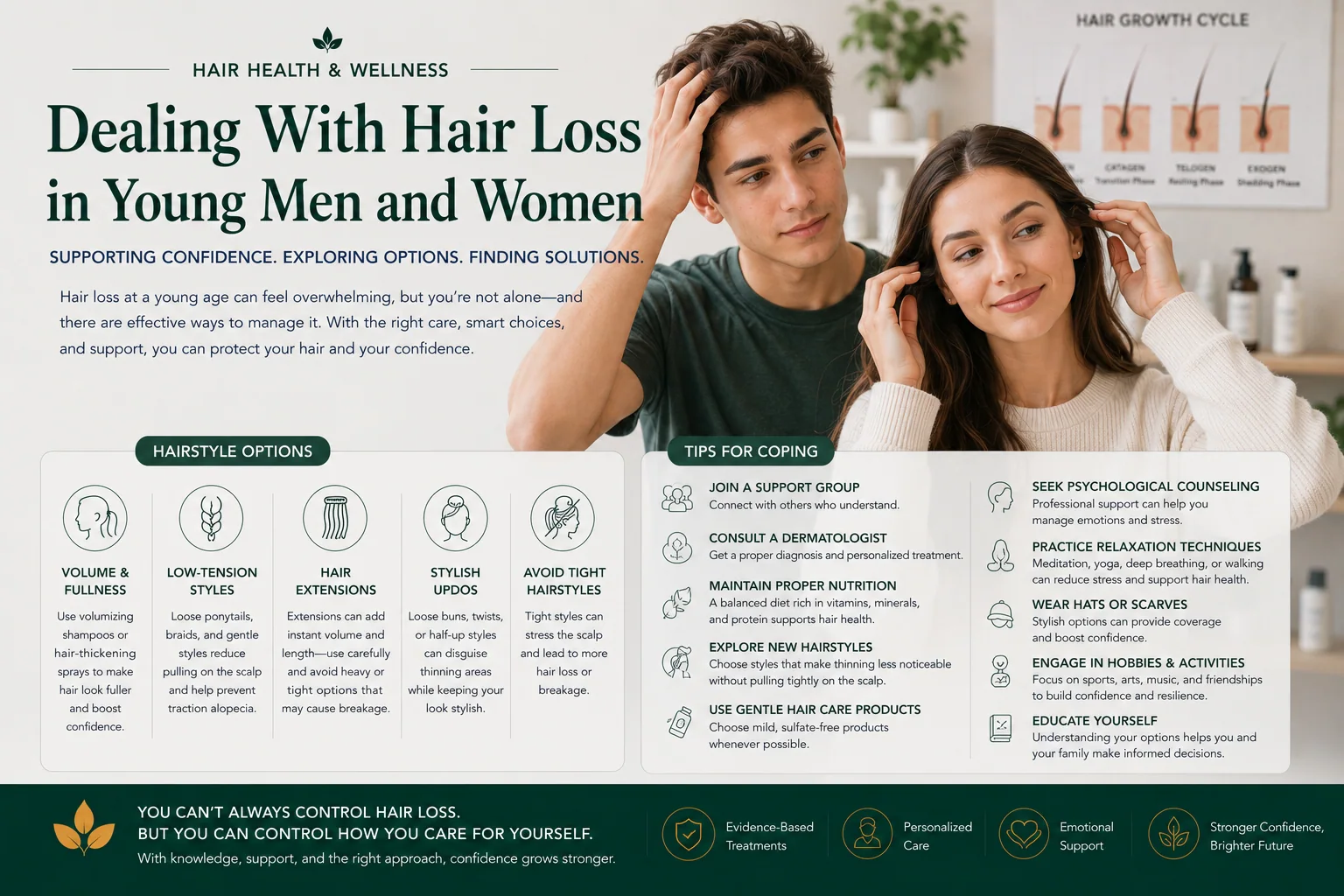
Young men and women facing hair loss can explore various treatments to manage their condition. Understanding hairstyle options, emotional support, and evidence-based treatment can help protect confidence during this period.
Hairstyle Options
Trying new hairstyles can help boost confidence. Hair-thickening spray or volumizing shampoos may make hair look fuller and help hide thinning areas.
Loose ponytails, braids, and low-tension styles can reduce pulling on the scalp and help prevent traction alopecia.
Hair extensions offer a quick fix for adding volume and length, but they should be used carefully because heavy or tight extensions can worsen traction-related hair loss.
Updos like loose buns or twists can disguise thinning areas while still looking stylish. Avoid tight hairstyles that stress the scalp, as they may lead to more hair loss or breakage.
Tips for Coping
Coping with teenage hair loss can be hard, but there are practical ways to manage it.
- Join a support group: Connecting with others who face similar challenges can provide emotional support.
- Consult a dermatologist: A dermatologist can identify the cause of hair loss and recommend treatments.
- Maintain proper nutrition: Eating a balanced diet rich in vitamins, minerals, and protein supports hair health.
- Explore new hairstyles: Choose styles that make thinning less noticeable without pulling tightly on the scalp.
- Use gentle hair care products: Choose shampoos and conditioners free from harsh chemicals when possible.
- Seek psychological counseling: Counseling can help with the emotional impact of hair loss.
- Practice relaxation techniques: Stress can worsen shedding in some cases, so meditation, yoga, walking, or breathing exercises may help.
- Wear hats or scarves: Stylish hats or scarves can provide coverage and confidence.
- Engage in hobbies and activities: Sports, arts, music, and social interests can help reduce fixation on hair loss.
- Educate yourself about treatment options: Understanding treatments helps teens and parents make better decisions.
Available Treatments
Topical minoxidil is an FDA-approved treatment for hair loss in certain contexts, though teenage use should be guided by a healthcare professional.
Low-level light therapy may offer another option. This non-invasive treatment uses lasers to boost blood flow and support hair regrowth in selected cases.
Natural DHT-supportive ingredients like rosemary oil or pumpkin seed oil may support some hair wellness routines, but they are not replacements for medical treatment when the cause is autoimmune, infectious, scarring, hormonal, or deficiency-related.
Seeking Support and Advice
Finding support and advice is key for teens dealing with hair loss. Consulting a dermatologist can help determine the cause and tailor treatment plans to individual needs.
If emotional struggles arise, psychological counseling may help protect self-esteem and confidence. It is also beneficial to talk openly with trusted family members, friends, or school support staff.
Proper nutrition plays an important role in overall health, including hair wellness. A balanced diet ensures the body gets essential vitamins like vitamin B7, which supports hair growth.
For additional guidance on tailored solutions for female pattern baldness or other underlying issues, support groups may help teens share concerns and learn from others facing similar challenges.
When to Seek Professional Help
Teenagers should seek professional evaluation if hair loss is sudden, spreading, patchy, painful, or linked with scalp symptoms. Early help is especially important when hair loss may be caused by infection, alopecia areata, scarring alopecia, thyroid problems, nutritional deficiency, or traction damage.
- Sudden heavy shedding
- Round or patchy bald spots
- Scalp redness, scaling, pain, itching, crusting, or pus
- Broken hairs or black dots on the scalp
- Hair loss after illness, medication changes, dieting, or major stress
- Widening part, crown thinning, or receding hairline
- Hair loss with fatigue, irregular periods, acne, weight changes, or digestive symptoms
- Hair loss linked to tight hairstyles, extensions, or chemical treatments
Find a Trichologist Near You
Teenage hair loss can involve hormones, nutrition, genetics, scalp disease, stress, or styling damage. A certified trichologist can help identify the pattern and guide the next step.
Find a trichologist in your state:
- Alabama
- Alaska
- Arizona
- Arkansas
- California
- Colorado
- Connecticut
- Delaware
- Florida
- Georgia
- Hawaii
- Idaho
- Illinois
- Indiana
- Iowa
- Kansas
- Kentucky
- Louisiana
- Maine
- Maryland
- Massachusetts
- Michigan
- Minnesota
- Mississippi
- Missouri
- Montana
- Nebraska
- Nevada
- New Hampshire
- New Jersey
- New Mexico
- New York
- North Carolina
- North Dakota
- Ohio
- Oklahoma
- Oregon
- Pennsylvania
- Rhode Island
- South Carolina
- South Dakota
- Tennessee
- Texas
- Utah
- Vermont
- Virginia
- Washington
- West Virginia
- Wisconsin
- Wyoming
Frequently Asked Questions About Teenage Hair Loss
- What are the common causes of hair loss in teenagers?
- Hair loss in teenagers can result from genetics, puberty-related hormone changes, poor nutrition, thyroid disorders, autoimmune conditions, scalp psoriasis, eczema, ringworm of the scalp, traction from tight hairstyles, stress, medications, or polycystic ovarian syndrome.
- Can an autoimmune disorder cause teenage hair loss?
- Yes. Autoimmune disorders such as alopecia areata, alopecia totalis, or alopecia universalis can cause patchy or widespread hair loss when the immune system attacks hair follicles.
- How does diet affect teenage hair health?
- A well-balanced diet is important for healthy hair growth. Malnutrition or deficiencies in vitamins like vitamin B7 can contribute to thinning or loss of hair. Low iron, low protein, low vitamin D, and restrictive dieting may also contribute.
- Are there treatments available for female pattern baldness in teens?
- Yes, but treatment should be medically guided. Options for female pattern baldness may include topical minoxidil, hormone evaluation, nutrition correction, scalp care, and specialist monitoring.
- Can teenage hair loss grow back?
- It depends on the cause. Hair loss from telogen effluvium, nutritional deficiency, early traction alopecia, or some cases of alopecia areata may improve with the right treatment. Scarring hair loss is more serious because destroyed follicles may not regrow.
- Can stress cause hair loss in teenagers?
- Yes. Severe stress, illness, exams, emotional trauma, sleep disruption, or sudden body changes can trigger telogen effluvium, which causes diffuse shedding several weeks or months after the trigger.
- Should a teenager use minoxidil?
- Minoxidil may be considered in some teen hair loss cases, but it should be used only with guidance from a dermatologist or healthcare professional. The cause of hair loss should be identified first.
- Is it safe for teenagers to wash their hair often?
- Regular shampooing with mild products is generally safe. Teens with oily scalp, dandruff, acne on the scalp, or irritation may need a gentle or medicated routine depending on the cause.
- What solutions exist for emotional distress caused by teenage hair loss?
- Teenagers experiencing psychological distress may benefit from counseling, support groups, cosmetic styling options, wigs, hair fibers, hats, scarves, and open support from family or trusted adults.
- When should a teenager see a professional for hair loss?
- Seek professional help if hair loss is sudden, patchy, painful, itchy, scaly, associated with redness or pus, linked to systemic symptoms, or continuing for more than a few weeks without improvement.
Conclusion
Teenage hair loss can be distressing, but understanding the cause makes a real difference. Genetics, hormonal changes, poor nutrition, scalp conditions, stress, medications, and hair care practices can all play a role.
The safest first step is proper evaluation. A dermatologist can identify medical or scalp conditions, while a trichologist can help assess shedding patterns, scalp health, nutrition, and styling habits.
With early diagnosis, supportive care, proper nutrition, emotional support, and the right treatment plan, many teenagers can improve hair health and regain confidence.
References
- https://www.ncbi.nlm.nih.gov/pmc/articles/PMC9710406/
- https://wimpoleclinic.com/blog/10-most-common-causes-of-teenage-hair-loss-and-treatments/
- https://www.nioxin.com/en-US/blog/about-hair-loss/teenage-hair-loss
- https://www.healthline.com/health/teenage-hair-loss
- https://www.ncbi.nlm.nih.gov/pmc/articles/PMC6790931/
- https://www.ncbi.nlm.nih.gov/pmc/articles/PMC5551307/
- https://www.ncbi.nlm.nih.gov/pmc/articles/PMC8719979/
- https://www.ncbi.nlm.nih.gov/pmc/articles/PMC10476631/
- https://www.ncbi.nlm.nih.gov/pmc/articles/PMC9149398/
- https://www.kolorshealthcare.com/blog/teenage-hair-loss-thinning-treatment-causes-prevention/ (2023-02-23)
- https://www.ncbi.nlm.nih.gov/pmc/articles/PMC5315033/
- https://www.ncbi.nlm.nih.gov/pmc/articles/PMC9298335/
Disclaimer: This content is for general informational and educational purposes only. It is not medical advice and should not replace consultation with a qualified healthcare professional. Teenage hair loss can have medical, nutritional, hormonal, inflammatory, infectious, or psychological causes. Seek professional evaluation for sudden, patchy, painful, inflamed, or persistent hair loss.